The Meaningful Beauty lawsuit became a major consumer discussion after customers reported recurring billing issues, automatic product shipments, cancellation disputes, and unexpected subscription charges connected to the celebrity skincare brand. The controversy increased public attention around subscription commerce, negative option billing, automatic renewal laws, and consumer protection regulations tied to recurring online payments.
Meaningful Beauty was co-founded by Cindy Crawford and French cosmetic specialist Dr. Jean-Louis Sebagh. The skincare brand operates through direct-response marketing and continuity billing systems managed by Guthy-Renker.
Subscription-related allegations, consumer complaints, and online discussions alleged that some customers experienced recurring charges after promotional trial offers, difficulty canceling subscriptions, refund disputes, unexpected skincare shipments, and confusion involving automatic renewal terms.
The controversy also increased public discussion surrounding FTC negative option billing rules, subscription transparency, dark pattern checkout practices, e-commerce recurring billing systems, and consumer rights involving subscription services.
This article explains the allegations, legal concerns, customer complaints, recurring billing laws, and subscription practices connected to the Meaningful Beauty controversy.
What Is Meaningful Beauty?
Meaningful Beauty is an anti-aging skincare brand sold through television advertising, online subscription programs, and direct-to-consumer ecommerce campaigns. The company markets products designed to address wrinkles, fine lines, hydration concerns, firmness, and age-related skin texture issues.
The brand became widely recognized because of its association with Cindy Crawford. Marketing campaigns frequently highlighted her skincare routine and long-term use of the products.
The skincare system was developed alongside Dr. Jean-Louis Sebagh, a cosmetic specialist known for anti-aging procedures and celebrity skincare treatments.
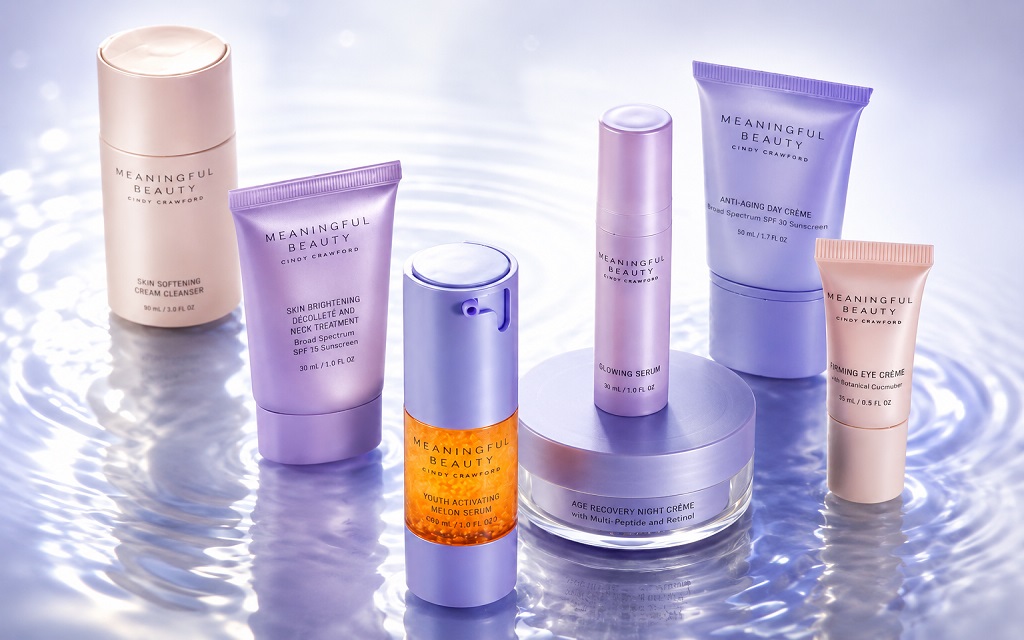
Meaningful Beauty products commonly include cleansers, serums, moisturizers, eye creams, neck treatments, and anti-aging concentrates. The company primarily operates through a continuity commerce business model that relies heavily on recurring shipment programs and subscription-based skincare delivery systems.
Customers often enter the program through introductory trial offers, discounted skincare kits, and promotional starter packages. This recurring subscription structure later became central to consumer complaints and legal scrutiny involving automatic renewals and cancellation disputes.
Why Did Consumers File Lawsuits Against Meaningful Beauty?
Consumer complaints and reported legal disputes involving Meaningful Beauty primarily focused on allegations involving subscription billing practices and automatic renewal systems.
Many complaints alleged that consumers experienced unauthorized recurring charges, confusing subscription enrollment terms, delayed refunds, unexpected skincare shipments, cancellation difficulties, and continued billing after cancellation attempts.
Some plaintiffs reportedly claimed they believed they purchased a one-time promotional skincare package but later discovered enrollment in an ongoing subscription service with recurring charges.
The lawsuits reflected broader legal scrutiny involving negative option marketing, recurring payment systems, continuity billing models, and e-commerce retention funnels.
Consumer protection attorneys increasingly examine whether companies clearly disclose recurring payment terms, billing frequency, cancellation deadlines, refund restrictions, and auto-renewal conditions before processing payments.
Many subscription-related lawsuits across the beauty and wellness industry rely on laws connected to the Restore Online Shoppers’ Confidence Act (ROSCA), the California Automatic Renewal Law (ARL), the Federal Trade Commission Act Section 5, the California Consumer Legal Remedies Act (CLRA), and state unfair and deceptive acts and practices statutes.
The Meaningful Beauty controversy became part of a much larger national discussion involving click-to-cancel requirements, recurring billing transparency, and subscription compliance across ecommerce industries.
What Did the Meaningful Beauty Lawsuits Actually Allege?
The Meaningful Beauty lawsuits and consumer complaints largely centered around recurring billing systems and subscription disclosure practices.
Several complaints reportedly alleged that some customers believed they purchased a one-time trial package but later received automatic product shipments and recurring credit card charges. Other complaints claimed that cancellation systems created frustration or that recurring billing disclosures lacked sufficient visibility during checkout.
Certain complaints also reportedly accused the company of using misleading enrollment interfaces or unclear subscription language tied to automatic renewals.
Importantly, allegations contained in civil lawsuits are not automatically proven facts. Courts generally evaluate billing records, cancellation procedures, consent documentation, marketing language, recurring payment authorization evidence, and enrollment disclosures before reaching conclusions.
Not every customer reported negative experiences. Online reviews show mixed feedback, with some consumers expressing satisfaction with product quality while others described billing and customer service concerns.
That distinction matters for legal accuracy, responsible reporting, and EEAT compliance.
Meaningful Beauty Lawsuit Snapshot
| Topic | Summary |
|---|---|
| Main allegations | Recurring billing and cancellation disputes |
| Industry category | Subscription skincare |
| Primary complaints | Automatic shipments and recurring charges |
| Key laws involved | ROSCA, California ARL, FTC rules |
| Product recall reported? | No major FDA recall has been publicly reported |
| Company linked to brand | Guthy-Renker |
| Main consumer concern | Subscription transparency |
| Legal focus | Automatic renewal disclosures and consent |
How Beauty Subscription Programs Lead to Consumer Complaints
Subscription-based skincare programs have become extremely common across the beauty industry. Many companies rely on continuity marketing systems designed to automatically deliver products every few weeks or months.
These systems often involve trial-size promotions, introductory discounts, recurring delivery schedules, auto-ship enrollment, and stored payment credentials.
Problems frequently arise when consumers overlook recurring billing terms, misunderstand trial deadlines, fail to cancel before renewal periods, or encounter unclear checkout disclosures.
Consumer advocates often describe these systems as negative option billing models because charges continue unless customers actively cancel the subscription.
The Federal Trade Commission has increased scrutiny of businesses accused of using hidden subscription language, difficult cancellation workflows, misleading trial offers, and dark pattern checkout interfaces.
Subscription-related complaints are not unique to Meaningful Beauty. Similar disputes have appeared across supplement companies, streaming platforms, fitness apps, meal delivery services, and wellness memberships.
This broader industry context helps explain why automatic renewal litigation continues expanding across e-commerce regulation and consumer protection law.
What Laws Protect Consumers From Hidden Subscription Charges?
Several federal and state laws regulate recurring billing systems, automatic renewals, and subscription marketing practices in the United States.
These laws exist to prevent businesses from charging consumers without informed consent and clear disclosure.
The Meaningful Beauty controversy increased public discussion surrounding automatic renewal compliance, cancellation accessibility, recurring billing transparency, and subscription disclosure standards.
One of the most important regulations tied to subscription disputes involves the FTC’s negative option billing framework. The FTC requires businesses to clearly disclose recurring payment terms, billing frequency, total costs, cancellation conditions, and renewal timing before charging consumers.
Businesses must also obtain informed consent before processing recurring charges.
Another major regulation is the California Automatic Renewal Law. The statute requires companies to present recurring subscription terms clearly and conspicuously before completing a transaction.
California ARL compliance often focuses on disclosure visibility, consent language clarity, cancellation simplicity, and post-purchase confirmation notices.
Many consumer lawsuits involving skincare subscriptions reference ROSCA, the Electronic Funds Transfer Act, deceptive trade practice statutes, unfair competition laws, and California Business and Professions Code provisions.
Courts increasingly examine whether companies use checkout interfaces that critics consider confusing, misleading free trial designs, hidden subscription disclosures, or complicated cancellation procedures.
The FTC has increased scrutiny of recurring billing and subscription practices across the e-commerce industries
Common Consumer Complaints About Meaningful Beauty
Online reviews and consumer discussions reveal several recurring complaint categories connected to Meaningful Beauty subscriptions.
The most commonly reported concerns involve recurring billing, cancellation disputes, refund delays, shipping confusion, and customer service frustrations.
Many complaints appearing across review platforms and skincare forums describe confusion surrounding automatic replenishment programs and recurring shipment schedules.
Some consumers alleged they experienced repeated credit card charges, unauthorized renewals, recurring shipment confusion, or charges after cancellation requests. Others reported difficulty reaching support representatives or confusion regarding account status after attempting to cancel subscriptions.
Several online reviewers also claimed they experienced delayed refunds, reimbursement disputes, or unclear return eligibility policies.
Some consumers additionally reported redness, irritation, dryness, sensitivity reactions, or dissatisfaction with product performance. However, skincare reactions vary significantly depending on skin type, allergies, ingredient sensitivity, and overall product compatibility.
Many consumers also posted positive reviews regarding hydration and anti-aging results. This mixed feedback pattern remains common across the cosmetic skincare industry.
Is Meaningful Beauty a Scam?
There is no official government ruling declaring Meaningful Beauty an illegal scam operation.
However, some consumers reported negative experiences involving recurring subscription charges, cancellation difficulties, refund disputes, and customer service concerns.
Consumer experiences vary significantly. Some users reported satisfaction with the skincare products and subscription convenience, while others described frustration involving recurring billing systems and automatic shipment programs.
This distinction is important because online complaints alone do not automatically establish fraud or legal liability.
How to Cancel Meaningful Beauty Subscription
Consumers seeking to cancel recurring skincare subscriptions should carefully document the process.
Experts generally recommend contacting customer support directly, requesting written cancellation confirmation, saving screenshots and emails, and monitoring future billing statements after cancellation requests.
Consumers should also review trial expiration deadlines, refund eligibility policies, recurring shipment schedules, and return shipping requirements before enrolling in subscription programs.
Documentation becomes especially important if recurring charges continue after cancellation attempts.
Are Meaningful Beauty Products Dangerous?
There is no public evidence showing that Meaningful Beauty products were officially recalled for widespread safety violations or declared medically dangerous by federal regulators.
However, some consumers reported experiencing redness, irritation, dryness, allergic reactions, or sensitivity concerns after using certain skincare products.
Skincare products affect individuals differently because skin tolerance varies based on genetics, age, allergies, environment, and ingredient sensitivity.
Common cosmetic ingredients that may trigger irritation include fragrances, preservatives, exfoliating acids, retinol compounds, and botanical extracts.
The U.S. Food and Drug Administration regulates cosmetics differently from prescription medications. Cosmetic companies generally do not need FDA approval before marketing skincare products unless they make drug-related treatment claims.
Consumers concerned about skincare safety often review ingredient labels, perform patch testing, consult dermatologists, and discontinue products after irritation develops.
Product dissatisfaction alone does not automatically establish legal liability. Courts generally evaluate whether advertising claims were misleading, disclosures were accurate, ingredients created unreasonable risk, or companies failed to provide appropriate warnings.
Why Subscription Billing Lawsuits Continue to Increase
Subscription-based ecommerce has expanded rapidly across beauty products, streaming services, software platforms, supplements, wellness memberships, and fitness applications.
This growth has also increased litigation involving recurring payment systems and automatic renewal practices.
Modern subscription commerce heavily relies on stored payment methods, continuity marketing, recurring delivery systems, auto-renewal billing, and free trial conversion funnels.
Consumer protection regulators argue that some companies use confusing disclosures, hidden renewal terms, difficult cancellation interfaces, and dark pattern user experiences to retain subscribers.
The FTC has repeatedly warned companies about deceptive recurring billing practices tied to negative option marketing.
Recent regulatory focus has increased around one-click cancellation requirements, recurring payment transparency, disclosure visibility, and informed consumer consent standards.
Courts increasingly evaluate whether businesses provide consumers with meaningful consent, transparent pricing, understandable subscription terms, and simple cancellation access.
This legal trend extends far beyond the skincare industry and continues shaping e-commerce compliance standards across digital subscription businesses.
How Meaningful Beauty Compares to Other Beauty Industry Lawsuits
The Meaningful Beauty controversy reflects a larger pattern of lawsuits involving beauty subscriptions, cosmetic advertising, recurring billing systems, and e-commerce consumer protection practices.
Several skincare and wellness companies have faced legal scrutiny connected to automatic renewal systems, deceptive marketing allegations, misleading trial offers, subscription cancellation disputes, and false advertising claims.
One widely known example involved WEN Hair Care, which faced lawsuits after consumers alleged hair loss and scalp injuries connected to cleansing conditioner products. The litigation later resulted in a major settlement.
Other beauty and wellness brands have also faced complaints involving recurring subscription enrollments, influencer marketing disclosures, anti-aging efficacy claims, and “natural ingredient” advertising.
Companies connected to direct-response television marketing often receive additional scrutiny because continuity billing systems remain common within those business models.
Guthy-Renker has historically operated multiple subscription-driven consumer brands involving skincare, wellness products, and beauty systems.
Consumer protection attorneys frequently compare these lawsuits because they involve similar legal questions. Courts often evaluate whether consumers knowingly authorized recurring payments, whether cancellation systems remained reasonably accessible, and whether subscription disclosures appeared clearly before checkout completion.
Google’s AI-driven search systems increasingly connect related industry entities, recurring billing litigation, and subscription law discussions when evaluating topical authority.
Complete Meaningful Beauty Lawsuit Timeline
Understanding the Meaningful Beauty controversy requires examining how consumer complaints, subscription concerns, and recurring billing scrutiny developed over time.
Early Brand Expansion
Meaningful Beauty gained national attention through television marketing campaigns featuring Cindy Crawford. The brand expanded rapidly through direct-response advertising, online skincare promotions, trial-size offers, recurring shipment systems, and continuity billing programs.
The subscription-based sales structure became a major part of the company’s business model.
Rise of Consumer Complaints
As subscription enrollment increased, online complaint platforms began showing repeated concerns involving recurring charges, automatic shipments, cancellation frustration, refund disputes, and customer service delays.
Complaints appeared across review websites, skincare forums, social media discussions, Better Business Bureau complaints, and ecommerce review platforms.
Many consumers claimed they initially believed they purchased one-time promotional skincare offers rather than ongoing subscription memberships.
Increased Attention on Subscription Billing Practices
Consumer protection regulators and advocacy organizations across the United States began paying closer attention to negative option billing systems, auto-renewal disclosures, continuity marketing models, and deceptive checkout practices.
This broader legal climate affected multiple industries beyond skincare, including:
- streaming platforms
- supplement companies
- meal delivery services
- fitness memberships
- software subscriptions
Lawsuit Filings and Legal Allegations
Legal complaints involving Meaningful Beauty reportedly focused on allegations tied to automatic renewal disclosures, recurring payment authorization, deceptive billing practices, cancellation accessibility, and subscription transparency.
Plaintiffs allegedly argued that some subscription terms were not presented clearly enough during enrollment.
The lawsuits increased online search interest for terms such as:
- Meaningful Beauty recurring charges
- Meaningful Beauty cancellation lawsuit
- Cindy Crawford skincare complaints
- Meaningful Beauty class action
- Meaningful Beauty scam
Consumer Awareness Phase
The controversy eventually expanded beyond isolated complaint discussions and became part of a broader consumer awareness conversation involving skincare subscription transparency, FTC recurring billing rules, ecommerce compliance standards, and consumer rights education.
This phase significantly increased AI search visibility surrounding subscription billing disputes within the beauty industry.
Did Meaningful Beauty Respond to the Allegations?
Publicly available information indicates that Meaningful Beauty and related business entities continued operating while addressing customer service and subscription management concerns through official support systems.
Like many companies facing consumer litigation, the business did not necessarily admit wrongdoing simply because complaints or lawsuits were filed.
In consumer protection litigation, companies often deny allegations, challenge legal claims, revise disclosure language, strengthen customer support procedures, improve cancellation systems, and update checkout disclosures.
Subscription-based businesses frequently modify:
- recurring billing notices
- cancellation instructions
- account management systems
- refund procedures
- subscription disclosure language
These adjustments sometimes occur after lawsuits, public criticism, regulatory pressure, or consumer complaints.
Consumers seeking account assistance commonly use customer support phone systems, billing departments, account portals, cancellation request channels, and refund processing departments.
The existence of online complaints alone does not automatically prove intentional misconduct. Courts generally evaluate disclosure visibility, transaction records, consent evidence, recurring payment authorization procedures, and marketing language before reaching conclusions.
What Consumers Can Do If They Experience Unauthorized Subscription Charges
Consumers who believe they experienced unauthorized recurring charges or misleading subscription enrollments should document the situation carefully.
Transaction records often become extremely important in subscription billing disputes.
Consumers should save billing statements, cancellation emails, order confirmations, shipping notices, screenshots of checkout pages, and customer support conversations whenever possible.
These records may help establish:
- enrollment timing
- cancellation attempts
- recurring billing activity
- disclosure visibility
- unauthorized charges
Many billing disputes can sometimes be resolved directly through customer service departments, billing support teams, refund request channels, or escalation representatives.
Consumers should request written confirmation whenever canceling recurring subscriptions.
Monitoring credit card statements also remains important because recurring subscription charges sometimes continue after free trials, paused memberships, or cancellation requests.
Consumers may also dispute unauthorized charges through banks, payment processors, or credit card issuers. Financial institutions sometimes investigate recurring billing disputes under consumer protection procedures.
Some consumers additionally report concerns:
- The Federal Trade Commission
- State attorney general offices
- Consumer protection agencies
- The Better Business Bureau
Consumer complaints help regulators identify larger patterns involving recurring billing systems and subscription marketing practices.
Some consumers now use virtual credit cards or spending-limited payment methods when testing subscription-based ecommerce services. These tools can reduce financial exposure if cancellation problems occur later.
How Consumers Evaluate Celebrity Skincare Brands After Lawsuits
Celebrity skincare brands operate differently from traditional cosmetic companies because public trust often depends heavily on personal branding and reputation.
When controversies emerge, consumers frequently reevaluate product credibility, subscription terms, marketing claims, transparency practices, and celebrity endorsements.
Cindy Crawford helped transform Meaningful Beauty into one of the most recognized celebrity skincare brands in the anti-aging market.
However, celebrity involvement can also increase scrutiny when lawsuits appear, billing complaints spread online, or cancellation disputes gain media attention.
Modern consumers increasingly research Reddit discussions, Trustpilot reviews, YouTube product reviews, skincare forums, FTC complaint discussions, and class action reporting before enrolling in subscription-based beauty programs.
This shift has changed how skincare companies manage:
- online reputation
- disclosure transparency
- subscription communication
- influencer marketing
- customer retention strategies
AI search systems now analyze sentiment signals across forums, review websites, complaint databases, editorial reporting, and social discussions.
This environment makes transparency and consumer trust more important than ever for subscription-driven beauty brands.
Frequently Asked Questions
Is there a Meaningful Beauty class action lawsuit?
Online complaints and legal filings, and consumer complaints reportedly involved allegations tied to recurring billing practices, cancellation disputes, subscription enrollment concerns, and automatic renewal systems connected to Meaningful Beauty products.
Who owns Meaningful Beauty?
Meaningful Beauty is associated with Cindy Crawford and Dr. Jean-Louis Sebagh. The brand has also been connected to Guthy-Renker through direct-response marketing operations.
How much has Cindy Crawford made from Meaningful Beauty?
Exact earnings are not publicly confirmed, but Meaningful Beauty reportedly generated hundreds of millions in sales tied to Cindy Crawford’s long-running partnership.
Is Meaningful Beauty safe to use?
Meaningful Beauty products are generally considered safe for most users, though some consumers reported irritation, redness, or sensitivity reactions.
Is Dr. Sebagh legitimate?
Yes, Dr. Jean-Louis Sebagh is a well-known cosmetic doctor recognized internationally for anti-aging skincare and aesthetic treatments.
Final Thoughts
The Meaningful Beauty lawsuit reflects growing concerns about subscription transparency, recurring billing practices, automatic renewals, and consumer protection in the skincare industry.
The controversy also shows how beauty brands face increasing legal and public scrutiny over billing disclosures, cancellation systems, and recurring payment authorization.
Today, consumers research brands more carefully through reviews, Reddit discussions, and AI-powered search results before joining subscription programs.
For businesses, the case highlights the importance of clear billing terms, simple cancellations, and responsive customer support. For consumers, it serves as a reminder to review subscription terms carefully, monitor billing statements, and keep records of cancellation requests.

Musarat Bano is a content writer for JudicialOcean.com who covers lawsuits, legal news, and general legal topics. Her work focuses on research-based, informational content developed from publicly available sources and is intended to support public awareness. She does not provide legal advice or professional legal services.