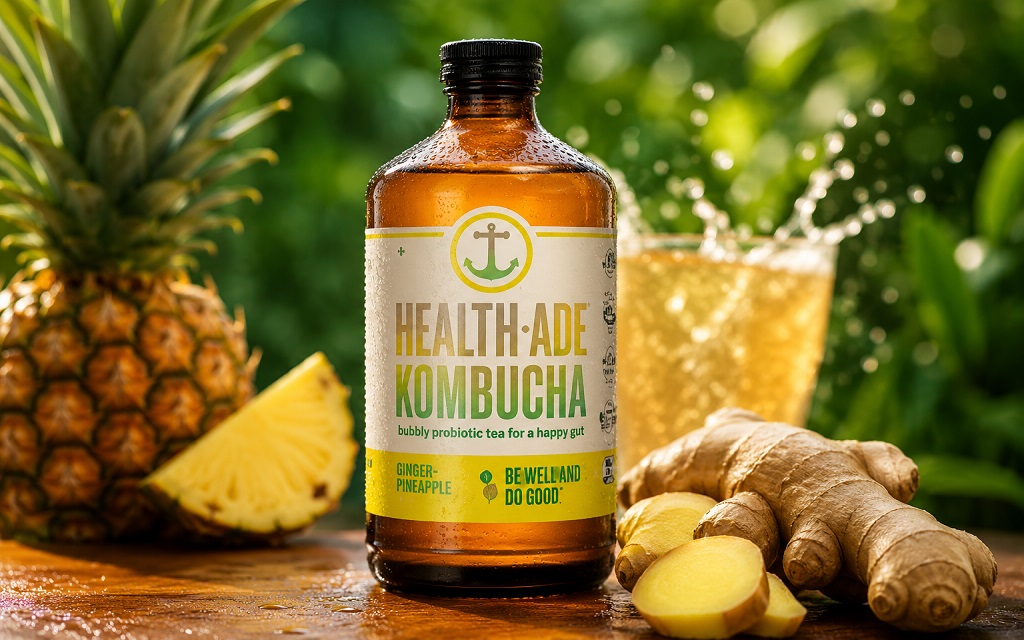
The Health-Ade LLC lawsuit mainly involves allegations that certain Health-Ade Kombucha and Health-Ade Pop beverages contained PFAS chemicals, also called “forever chemicals,” despite being marketed as healthy wellness drinks. Public records later indicated the PFAS lawsuit was reportedly dismissed with prejudice after a private settlement process, but no public court ruling proved the products caused consumer harm.
The Health-Ade Kombucha lawsuit became widely discussed after plaintiff Alanna Morton filed a proposed class action in the Southern District of New York alleging that independent laboratory testing detected PFAS compounds in certain beverages marketed around gut health, probiotics, wellness, and natural ingredients. The lawsuit referenced chemicals including PFBA, PFHxA, and 6:2 FTS.
The company also faced earlier lawsuits involving sugar-content marketing and kombucha labeling practices. Those disputes raised questions about wellness advertising, clean-label beverage claims, and transparency in the rapidly growing functional beverage industry. This article explains what the Health-Ade lawsuit alleged, which products were named, whether any settlement exists, what was actually proven in court, and whether consumers can still file a claim.
What Is the Health-Ade Kombucha Lawsuit?
The Health-Ade LLC lawsuit refers to several consumer legal disputes involving PFAS allegations, sugar-content marketing claims, alcohol-labeling concerns, and wellness advertising practices tied to Health-Ade Kombucha and Health-Ade Pop beverages.
The most widely discussed case emerged on January 9, 2024, after plaintiff Alanna Morton filed a proposed class action in the Southern District of New York. According to the complaint, independent laboratory testing allegedly detected PFAS chemicals, commonly called “forever chemicals,” in certain Health-Ade beverages marketed as wellness-focused products. Court filings alleged that consumers paid premium prices because the drinks were promoted using phrases connected to gut health, probiotics, wellness beverages, natural ingredients, and clean-label nutrition. The lawsuit:
January 9, 2024 | Morton v. Health-Ade LLC, No. 7:24-cv-00173 (S.D.N.Y.).
The Health-Ade PFAS lawsuit also became part of a broader national trend involving food packaging chemicals, beverage contamination litigation, and wellness-product marketing claims. During recent years, several beverage and food companies faced lawsuits tied to PFAS contamination allegations, especially when products were marketed as organic, healthy, or natural.
Reuters and legal docket reporting later indicated that the PFAS lawsuit was reportedly dismissed with prejudice after settlement discussions. Public records did not show a public admission of wrongdoing or a final trial verdict proving that Health-Ade beverages caused consumer harm.
Another major lawsuit appeared earlier in 2021 in the Northern District of California. That case accused Health-Ade of misleading consumers through health-focused branding despite allegedly selling kombucha products containing significant sugar levels. The lawsuit referenced California consumer protection laws, including the Consumer Legal Remedies Act, False Advertising Law, and Unfair Competition Law. Public records later showed those claims were voluntarily dismissed before trial.
At the time of writing, no public FDA recall connected to the Health-Ade PFAS lawsuit appeared in available records.
Health-Ade Lawsuit Timeline
2019
Health-Ade reportedly resolved earlier kombucha litigation involving sugar and alcohol-labeling concerns. According to public reporting, the company agreed to certain labeling and operational changes without admitting wrongdoing.
2021
A sugar deception lawsuit was filed in the Northern District of California, alleging that Health-Ade wellness branding misled consumers despite sugar levels in some beverages.
2023
Public records indicated the sugar-content claims were voluntarily dismissed before a final courtroom ruling.
January 2024
Alanna Morton filed the PFAS lawsuit in the Southern District of New York, alleging certain beverages contained “forever chemicals.”
Later Court Activity
Legal docket updates and media reporting later suggested the PFAS lawsuit moved toward a confidential settlement process and dismissal with prejudice. Public settlement terms were not released.
Why Was Health-Ade Accused of Containing PFAS?
According to the complaint, independent laboratory testing allegedly identified several PFAS compounds in certain Health-Ade beverages. The filing referenced PFBA, PFHxA, and 6:2 FTS.
PFAS are synthetic chemicals commonly associated with industrial manufacturing, food-contact materials, packaging linings, waterproof coatings, and manufacturing equipment. Because these substances break down very slowly over time, they are often called “forever chemicals.”
The lawsuit argued that the alleged presence of PFAS conflicted with Health-Ade’s marketing language surrounding wellness, natural ingredients, gut health, probiotics, and organic branding. According to court filings, plaintiffs claimed consumers reasonably believed the products aligned with cleaner ingredient standards and lower chemical exposure risks because of how the beverages were advertised.
Importantly, the lawsuit did not publicly establish that Health-Ade intentionally added PFAS chemicals to beverages. The complaint also did not publicly confirm the precise contamination pathway.
Could Packaging Have Caused the PFAS Allegations?
One major issue in modern PFAS litigation involves contamination pathways connected to food packaging and manufacturing systems.
According to broader environmental litigation trends, PFAS allegations in beverages often involve possible migration from plastic bottle linings, food-contact packaging, industrial processing equipment, water systems, or supply-chain materials. The Health-Ade complaint did not publicly identify a confirmed contamination source.
This distinction matters because many PFAS lawsuits focus on trace contamination and consumer disclosure expectations rather than intentional ingredient use. Across the food and beverage industry, companies increasingly face lawsuits involving packaging migration, manufacturing exposure, and environmental contamination tied to bottled beverages and processed foods.
Which Health-Ade Products Were Named?
According to the complaint, the following products were specifically referenced in the PFAS lawsuit:
| Product | Product Category | Alleged PFAS Referenced |
|---|---|---|
| Ginger Pineapple Belly Reset | Functional kombucha beverage | PFBA, PFHxA |
| Strawberry Glow with Bamboo Extract and Biotin | Wellness kombucha beverage | PFAS compounds allegedly detected |
| Mint Limeade | Kombucha beverage | PFAS compounds allegedly detected |
| Cayenne Cleanse | Functional kombucha beverage | PFAS compounds allegedly detected |
| Health-Ade Pop Pomegranate Berry | Prebiotic soda beverage | 6:2 FTS allegedly referenced |
The complaint did not publicly state that all Health-Ade beverages contained PFAS substances.
Many readers search terms such as:
- “Which Health-Ade flavors were sued?”
- “Was Health-Ade Pop included?”
- “Did the lawsuit affect all kombucha products?”
should understand that the allegations centered on specific products named in the complaint rather than every beverage sold by the company.
What Are Forever Chemicals?
PFAS are synthetic chemicals used in industrial and consumer products because they resist heat, oil, grease, and water. These chemicals are often called “forever chemicals” because they break down very slowly over time.
PFAS compounds have historically appeared in nonstick cookware, food packaging, waterproof materials, industrial coatings, stain-resistant fabrics, and plastic containers. The Health-Ade lawsuit referenced compounds including PFBA, PFHxA, and 6:2 FTS.
Government agencies such as the United States Environmental Protection Agency and the U.S. Food and Drug Administration continue evaluating PFAS regulation, food-contact material safety, and testing standards. Scientific research in this area remains active and continues evolving as regulators and researchers study possible long-term exposure concerns.
How PFAS Testing Works
PFAS lawsuits often rely on independent laboratory testing capable of measuring extremely small chemical concentrations in nanograms per liter (ng/L). Modern testing methods can detect trace substances in beverages, packaging materials, and water systems at very low levels.
Because testing technology has improved significantly over recent years, PFAS-related litigation has expanded rapidly across the food and beverage industry. Many lawsuits focus less on proven medical injury and more on product marketing, disclosure expectations, consumer purchasing decisions, and wellness branding practices. The Health-Ade PFAS lawsuit followed this same broader legal pattern.
Did Health-Ade Settle the Lawsuit?
Public court records and legal reporting indicate that the Health-Ade PFAS lawsuit was reportedly dismissed with prejudice after settlement discussions.
A dismissal with prejudice generally means the same plaintiff cannot refile the same claims. However, the dismissal did not publicly establish that Health-Ade admitted wrongdoing, violated federal safety laws, or caused consumer injury through a final courtroom verdict.
Public records also did not show a nationwide settlement fund, public claims portal, or confirmed consumer compensation process. This distinction is important for readers searching phrases such as “Health-Ade lawsuit settlement,” “Health-Ade class action payout,” or “Health-Ade claim form.”
At the time of writing, no public nationwide claims process appeared to be available.
What Was the Earlier Sugar Deception Lawsuit?
Before the PFAS litigation, Health-Ade faced another major lawsuit involving sugar content and wellness advertising.
According to the complaint filed in the Northern District of California, plaintiffs alleged that Health-Ade marketed kombucha products as healthy wellness beverages despite sugar levels allegedly ranging between 12 and 17 grams in certain products.
The lawsuit referenced the Consumer Legal Remedies Act, False Advertising Law, and Unfair Competition Law.
According to public filings, the court allowed portions of the lawsuit to continue during early proceedings because consumers could plausibly interpret the “Health-Ade” branding as health-focused advertising. Later reporting indicated the plaintiffs voluntarily dismissed the claims before trial, and no public verdict established intentional deception.
Why Kombucha Products Often Face Labeling Lawsuits
Kombucha brands frequently face lawsuits because they market products around probiotics, digestive wellness, natural ingredients, functional nutrition, immunity support, and gut health. At the same time, kombucha fermentation can naturally affect sugar levels, alcohol content, shelf stability, and labeling consistency.
Because of this complexity, kombucha litigation often involves disputes tied to sugar disclosures, alcohol labeling, contamination allegations, nutritional marketing, and “healthy” advertising language. The Health-Ade lawsuits reflected many of these broader industry issues.
The kombucha industry also operates in a highly competitive wellness market where consumers increasingly expect transparency regarding ingredient sourcing, manufacturing systems, food packaging, and chemical exposure risks.
Why PFAS Lawsuits Are Increasing
PFAS litigation expanded rapidly across the United States because of improved testing technology, increased consumer awareness, environmental scrutiny, and food-packaging investigations.
Many lawsuits now target bottled beverages, processed foods, cosmetics, fast-food wrappers, and wellness products marketed as natural or clean-label alternatives. Consumer class actions frequently argue that buyers paid premium prices for products marketed as organic, healthy, or wellness-focused despite alleged contamination findings.
This larger legal environment helped increase public attention surrounding the Health-Ade PFAS lawsuit and similar food-contamination litigation across the beverage industry.
What Has Been Proven and What Was Alleged?
Separating verified facts from allegations remains extremely important in consumer litigation reporting.
Publicly Verified
Court records and legal reporting confirm:
- Lawsuits were filed against Health-Ade,
- PFAS allegations appeared in court complaints,
- Sugar-content claims were litigated,
- Some cases were later settled or dismissed,
- Specific products were named in filings.
What Remained Allegations
The lawsuits did not publicly establish through trial that:
- Health-Ade intentionally added PFAS chemicals,
- The beverages caused proven medical harm,
- The company violated federal safety laws after the final courtroom findings.
Most of the lawsuits ended before a jury or judge issued a final ruling on the allegations.
This distinction matters because settlements do not automatically mean:
- guilt,
- proven contamination,
- or confirmed product danger.
Can Consumers Still File a Claim?
Current public records do not show an active nationwide claims process connected to the Health-Ade PFAS lawsuit involving Health-Ade LLC.
At the time of writing, no public claim form, settlement portal, or nationwide compensation fund appeared to be available. Consumers interested in future developments often monitor federal court filings, consumer protection reports, FDA announcements, and updates on class action litigation involving PFAS beverage lawsuits and food packaging contamination claims.
Anyone seeking legal guidance on potential individual claims should consult a licensed attorney experienced in consumer protection or product liability law.
FAQs
Is Health-Ade Kombucha healthy?
Health-Ade LLC markets its kombucha as a probiotic wellness drink, but lawsuits questioned some health-related marketing claims and alleged PFAS findings in certain products.
Is it okay to drink Health-Ade Kombucha every day?
Most healthy adults can generally drink kombucha daily in moderation, but sugar content, caffeine, acidity, and individual health conditions may affect tolerance.
Is there any alcohol in Health-Ade Kombucha?
Yes, kombucha naturally contains trace alcohol from fermentation, though Health-Ade products are generally sold as non-alcoholic beverages.
What is the Health-Ade Kombucha issue?
The main Health-Ade Kombucha issue involves lawsuits alleging PFAS “forever chemicals,” sugar-related marketing concerns, and kombucha labeling disputes tied to wellness advertising.
Note: This article summarizes only publicly reported allegations, court filings, legal reporting, and procedural developments connected to the Health-Ade Kombucha lawsuits. Allegations made in civil complaints do not automatically establish liability, wrongdoing, contamination, or product safety violations unless proven in court or confirmed through final regulatory findings.

Musarat Bano is a content writer for JudicialOcean.com who covers lawsuits, legal news, and general legal topics. Her work focuses on research-based, informational content developed from publicly available sources and is intended to support public awareness. She does not provide legal advice or professional legal services.