
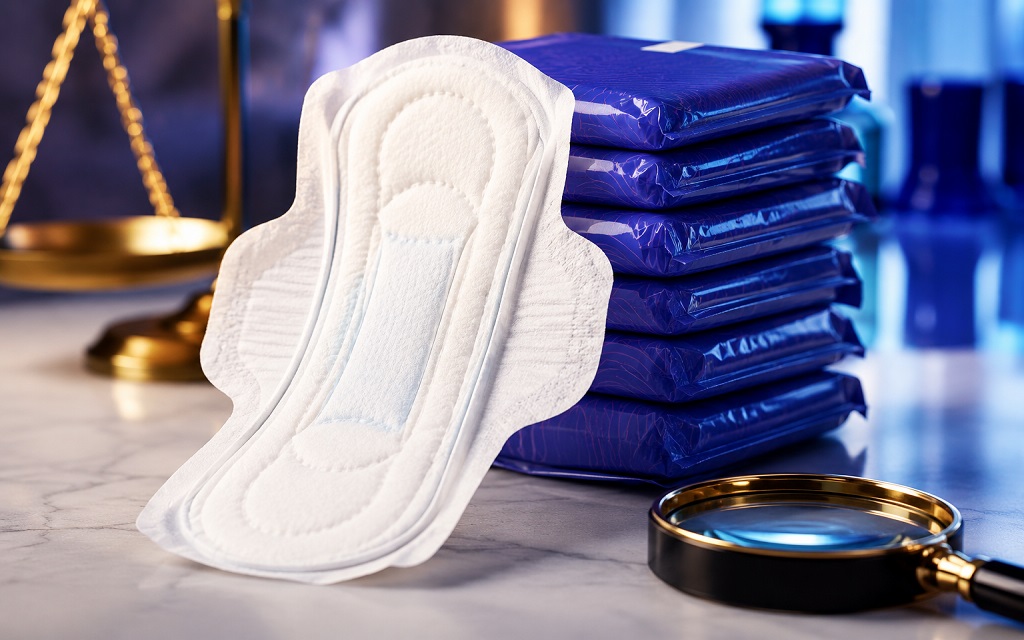
As of 2026, several lawsuits and consumer complaints have raised concerns about alleged PFAS contamination and other chemicals in Always menstrual products manufactured by Procter & Gamble. Plaintiffs claim consumers were not adequately informed about potential chemical exposure risks. However, publicly available court records do not currently show a finalized nationwide class action settlement or consumer compensation program for Always Pad purchasers.
The controversy involves allegations concerning Per- and Polyfluoroalkyl Substances (PFAS), commonly known as “forever chemicals,” along with discussions about volatile organic compounds, dioxins, styrene, and chloromethane. Consumer advocates, researchers, and plaintiffs have questioned product transparency, while Procter & Gamble has denied allegations that its products pose health risks.
This article reviews the Always Pads lawsuit, PFAS allegations, scientific evidence, reported testing results, current litigation status, and whether consumers may qualify for future legal claims.
Key Takeaways
- Reports and lawsuits have raised concerns about chemicals allegedly detected in some menstrual products, including Always pads.
- Advocacy groups and independent testing organizations have published findings that sparked public debate about PFAS and other substances.
- Consumers have filed legal claims that question product safety, labeling, and marketing practices.
- Scientific research continues to examine potential health risks linked to long-term exposure to PFAS and similar chemicals.
- Procter & Gamble has denied wrongdoing in cases that challenge the safety of its products.
- Publicly available records do not currently show a finalized nationwide Always Pads class action settlement.
Quick Facts
| Topic | Details |
|---|---|
| Product | Always Pads |
| Manufacturer | Procter & Gamble |
| Main Allegations | PFAS exposure, chemical contamination, and product labeling concerns |
| Lawsuit Type | Consumer protection and product safety claims |
| Current Status | Litigation and legal scrutiny continue |
| Nationwide Settlement | None publicly finalized |
| Consumer Payout Available | Not currently reported |
| Key Chemical Concern | PFAS (“Forever Chemicals”) |
What Is the Always Pads Lawsuit?
The Always Pads lawsuit refers to legal claims and consumer concerns related to alleged chemical substances found in certain menstrual products sold under the Always brand. Plaintiffs argue that consumers were not adequately informed about potential chemical exposure risks. The litigation also focuses on allegations involving PFAS, product safety, marketing claims, and consumer protection laws. Public court records continue to show legal activity, but no nationwide settlement has been finalized.
Why Are Always Pads Facing Legal Scrutiny?
Several factors have placed Always pads under public and legal scrutiny. These concerns involve testing reports, consumer complaints, and legal claims filed in court.
Chemical Testing Reports
Independent organizations and advocacy groups have published laboratory testing results that reported the presence of certain chemical compounds in menstrual products. Some reports identified substances such as PFAS, volatile organic compounds (VOCs), styrene, chloromethane, and trace levels of other chemicals.
These findings attracted public attention because menstrual products come into direct contact with sensitive areas of the body. Consumer advocates argue that transparency is important when products may contain substances that raise health concerns.
Testing results vary across studies. Researchers and experts often note that the detection of a substance does not automatically establish a health risk. Risk assessments depend on factors such as concentration, exposure levels, duration of use, and toxicological evidence.
Consumer Allegations
Consumers have raised concerns about product safety and chemical exposure. Some plaintiffs claim they purchased Always pads under the belief that the products were safe and free from potentially harmful chemicals.
Several complaints argue that consumers would have made different purchasing decisions if additional information had appeared on product labels or marketing materials. These allegations form a common basis for consumer protection lawsuits across multiple industries.
Court filings often describe concerns about transparency, disclosure practices, and product representations. Allegations remain claims unless evidence presented in court proves them.
Lawsuit Claims
Legal actions related to menstrual products have increased in recent years. Plaintiffs have filed claims against manufacturers over alleged chemical contamination, PFAS exposure, deceptive marketing, and consumer fraud.
Some lawsuits seek economic damages. Others request injunctive relief that could require changes to labeling, testing, or marketing practices.
Each lawsuit involves specific facts, legal theories, and evidentiary standards. Courts evaluate these claims based on applicable state and federal laws.
What Lawsuits Have Been Filed Against Always Pads?
Several lawsuits, legal complaints, and consumer claims have raised concerns about alleged PFAS contamination and chemical disclosures in menstrual products, including products sold under the Always brand by Procter & Gamble. Most cases focus on allegations that consumers were not adequately informed about chemicals allegedly detected through independent testing. Plaintiffs generally seek damages, refunds, restitution, and changes to product labeling or marketing practices.
Known Allegations
The allegations commonly raised in PFAS-related menstrual product litigation include:
- Failure to disclose the alleged presence of PFAS or other chemicals.
- False or misleading advertising regarding product safety.
- Violations of state consumer protection laws.
- Unjust enrichment claims based on product purchases.
- Product labeling and transparency concerns.
Plaintiffs argue they may have made different purchasing decisions if additional information had been provided about the reported chemical findings. Procter & Gamble has disputed allegations that its products pose health risks or were improperly marketed.
Reported Litigation
Public reports have discussed lawsuits and legal complaints involving PFAS allegations in menstrual and feminine hygiene products. Some reports indicate that claims have been directed at products manufactured by Procter & Gamble, including Always-branded menstrual products. These cases generally involve allegations related to chemical disclosures, consumer protection laws, and product marketing practices.
The specific allegations, plaintiffs, courts, and procedural status vary by case. As with all litigation, allegations contained in complaints remain claims unless supported by evidence and accepted by a court.
Related PFAS Litigation in the Menstrual Product Industry
PFAS-related litigation has also affected other companies within the menstrual product sector. For example, lawsuits have been filed against period-underwear manufacturers such as Knix Wear and Thinx over allegations involving PFAS disclosures and marketing practices. In California, PFAS-related claims have also been brought against manufacturers of certain feminine hygiene products under Proposition 65.
Although these cases do not necessarily involve Always pads, they illustrate a broader trend of legal scrutiny surrounding PFAS and chemical transparency in menstrual products.
Current Status
As of 2026, PFAS-related litigation involving consumer products continues to evolve. Publicly available information does not show a nationwide court ruling establishing liability against Procter & Gamble for all Always pads products. Likewise, public records do not currently show a finalized nationwide class action settlement available to all Always Pad purchasers.
Consumers should rely on official court records, verified legal reporting, regulatory agencies, and reputable sources when evaluating developments related to Always pads, PFAS allegations, and ongoing litigation.
Timeline of the Always Pads Controversy
| Year | Event |
|---|---|
| 2014 | Advocacy groups released testing reports that raised concerns about chemicals in feminine hygiene products. |
| 2020 | Scientific studies examined chemical exposure and potential health concerns related to menstrual and personal care products. |
| 2022 | PFAS litigation expanded across multiple consumer product industries, including personal care and hygiene products. |
| 2024 | Additional lawsuits involving menstrual products and alleged chemical exposure received public attention. |
| 2025–2026 | Legal scrutiny, consumer concerns, and PFAS-related litigation continued to evolve across the menstrual product sector. |
What Do the Lawsuits Actually Allege?
Several legal complaints involving menstrual products and PFAS exposure generally focus on four categories of allegations.
Failure to Disclose Chemicals
Plaintiffs argue that consumers were not provided sufficient information about chemicals allegedly detected during independent testing.
False Advertising Claims
Some complaints allege product marketing created consumer expectations regarding safety, purity, or chemical content.
Consumer Protection Violations
Lawsuits often cite state consumer protection statutes that prohibit deceptive or misleading business practices.
Unjust Enrichment Claims
Certain complaints seek reimbursement by alleging consumers paid premium prices based on representations they claim were incomplete or misleading.
Procter & Gamble disputes allegations that its products are unsafe or improperly marketed.
What Chemicals Have Been Reportedly Found in Always Pads?
Several reports and laboratory analyses have discussed chemicals allegedly detected in certain menstrual products. Public attention has focused on PFAS, volatile organic compounds, dioxins, styrene, and chloromethane. Researchers, advocacy groups, manufacturers, and regulators have debated the significance of these findings.
It is important to distinguish between chemical detection and proven health harm. Laboratory tests can identify substances at very low levels. However, the presence of a chemical alone does not establish that it poses a health risk under normal product use.
PFAS
PFAS stands for perfluoroalkyl and polyfluoroalkyl substances. Experts often refer to them as “forever chemicals” because they break down very slowly in the environment. Some testing reports have claimed that certain menstrual products contained indicators associated with PFAS compounds.
PFAS have become a major focus of consumer litigation across many industries. Similar claims have appeared in lawsuits involving cosmetics, food packaging, drinking water, and personal care products.
Volatile Organic Compounds (VOCs)
Volatile organic compounds are chemicals that can evaporate into the air at room temperature. Researchers have identified various VOCs in a wide range of consumer products.
Testing reports related to feminine hygiene products have discussed the presence of certain VOCs. Scientists continue to study potential exposure pathways and health effects.
Dioxins
Dioxins are environmental pollutants that can form during certain industrial processes. Public concern about dioxins in feminine hygiene products dates back decades.
Manufacturers and regulators have stated that modern production methods have significantly reduced dioxin levels in menstrual products. However, consumer advocates continue to monitor the issue.
Styrene
Styrene is an industrial chemical used in the manufacture of plastics, rubber, and other materials. Some testing reports have identified trace amounts of styrene in consumer products.
Researchers continue to evaluate the potential effects of long-term exposure to styrene. Risk assessments often depend on concentration levels and exposure duration.
Chloromethane
Chloromethane is a chemical compound that occurs both naturally and through industrial activity. Some laboratory analyses have reported trace detections of chloromethane in personal care products.
Scientists generally evaluate chloromethane exposure based on dosage, frequency, and route of exposure. Additional research continues in this area.
What Are PFAS Chemicals?
PFAS are a large group of synthetic chemicals known as perfluoroalkyl and polyfluoroalkyl substances. Manufacturers have used these chemicals in many consumer products because they resist water, oil, heat, and stains. Scientists often call PFAS “forever chemicals” because they persist in the environment and can remain in the human body for long periods.
PFAS have become a major focus of environmental investigations, government regulation, toxic tort litigation, and consumer class actions across the United States. Researchers continue to study how long-term exposure may affect human health.
Regulatory Oversight
Research concerning PFAS has been reviewed by agencies including the U.S. Environmental Protection Agency, the U.S. Food and Drug Administration, and the National Institute of Environmental Health Sciences. These organizations continue to study PFAS exposure pathways, environmental persistence, and potential health impacts.
Why are PFAS called Forever Chemicals?
PFAS are a large group of synthetic compounds used in consumer and industrial products because of their resistance to heat, water, oil, and stains. Scientists refer to PFAS as “forever chemicals” because they can remain in the environment and human body for extended periods.
The EPA, NIEHS, and researchers at major universities continue to study possible links between PFAS exposure and health outcomes, including reproductive health concerns, immune system effects, and hormone disruption.
What Does the Science Say About PFAS and Women’s Health?
Scientific research has examined possible links between PFAS exposure and various health outcomes. Researchers continue to investigate these associations, but many questions remain under study.
Current evidence focuses on associations rather than proven causation in many cases. Scientists often caution that additional research is necessary before definitive conclusions can be made about specific products and health outcomes.
Exposure Concerns
Researchers have found PFAS compounds in water supplies, food packaging, household products, cosmetics, and personal care products. These findings have increased concerns about cumulative exposure over time.
Scientists continue to evaluate how different exposure sources may contribute to overall PFAS levels in the human body.
Reproductive Health Research
Several studies have explored possible relationships between PFAS exposure and reproductive health outcomes. Researchers have examined fertility, hormone function, pregnancy outcomes, and developmental effects.
Results vary across studies. Some research reports associations between higher PFAS exposure levels and certain health outcomes. Other studies note limitations that require further investigation.
Endocrine System Concerns
Some researchers have examined whether certain PFAS compounds may interfere with hormone regulation. This area remains an active field of study.
Scientists continue to investigate potential effects on the endocrine system, especially after long-term exposure.
Ongoing Research
Research on PFAS continues across universities, government agencies, and public health institutions. New studies appear regularly as scientists seek a clearer understanding of potential health effects.
Current evidence supports continued investigation. However, no single study has established that use of a specific menstrual product causes a particular medical condition.
Consumers should view scientific findings within the broader context of ongoing research, regulatory review, and evolving evidence.
Has Procter & Gamble Been Sued Over Always Pads?
Public reports indicate that legal complaints and PFAS-related allegations have involved products manufactured by Procter & Gamble, including Always-branded menstrual products. Plaintiffs generally allege that consumers were not fully informed about certain chemicals allegedly detected in the products.
Verified Filings
Court records and public reports show that lawsuits have challenged menstrual product manufacturers over alleged chemical exposure and product safety concerns. Some complaints cite laboratory testing, scientific literature, and consumer protection laws.
Plaintiffs often seek damages, restitution, and court orders that could require changes to product labeling or marketing practices.
Alleged Claims
Several lawsuits focus on allegations involving PFAS and other chemical substances. Plaintiffs argue that consumers purchased the products without complete information about potential chemical exposure.
Some complaints also challenge marketing statements that allegedly created consumer expectations regarding safety and product quality.
These allegations represent claims made in legal filings. Courts have not automatically accepted these allegations as proven facts.
Current Status
Legal activity related to PFAS and menstrual products continues to evolve. Courts may dismiss claims, allow cases to proceed, approve settlements, or issue other rulings as litigation develops.
Publicly available information does not currently show a nationwide court ruling establishing liability against Procter & Gamble for all Always pads products. Legal proceedings remain fact-specific and case-specific.
Is There an Always Pads Class Action Settlement?
At this time, publicly available records do not show a finalized nationwide Always Pads settlement.
This point is important because many consumers search online for settlement payments, claim forms, and eligibility requirements. Current public information does not indicate the existence of a nationwide settlement fund available to all Always Pad purchasers.
Consumers should exercise caution when reviewing settlement information online. Some articles discuss allegations, proposed claims, or ongoing litigation. Those reports should not be confused with a court-approved settlement.
If a settlement receives court approval in the future, official court documents will typically explain eligibility requirements, payment details, deadlines, and claim procedures.
Consumers should rely on court records, official settlement websites, and reputable legal sources when evaluating settlement-related information.
Who Could Be Affected?
Several groups may be interested in the outcome of these legal and scientific developments.
Consumers who purchased Always pads may follow litigation updates to understand whether courts reach conclusions about the allegations.
Individuals concerned about PFAS exposure may also monitor new scientific research and regulatory developments.
Healthcare professionals, public health researchers, consumer advocates, toxicologists, and environmental organizations continue to examine issues related to chemical exposure and product safety.
Parents, caregivers, and consumers who regularly purchase feminine hygiene products often seek additional transparency regarding ingredients, testing standards, and safety assessments.
It is important to remember that the existence of allegations does not establish that every user faces a health risk. Individual circumstances, exposure levels, and scientific evidence remain important considerations.
What Should Consumers Do?
Consumers who have concerns about menstrual product safety should stay informed through reliable sources.
Official statements from manufacturers can provide information about product testing, safety standards, and quality controls.
Government agencies and public health organizations often publish updates about chemical exposure research and regulatory actions.
Consumers may also discuss concerns with healthcare professionals who can provide guidance based on individual circumstances.
Product packaging, ingredient disclosures, and manufacturer resources may offer additional information about product composition.
Individuals who believe they suffered harm should consider seeking advice from qualified medical professionals and licensed attorneys who can evaluate their specific situation.
FAQs
Is there an Always Pads lawsuit in 2026?
Yes. Public reports indicate that legal claims and consumer lawsuits related to menstrual products, chemical exposure allegations, and PFAS concerns continue to receive attention in 2026. Case developments may vary across jurisdictions.
Has Procter & Gamble admitted wrongdoing?
No public court record currently shows a broad admission of wrongdoing by Procter & Gamble regarding the allegations discussed in lawsuits involving Always pads. Companies commonly deny allegations during litigation unless a court determines otherwise or a settlement agreement states specific terms.
Is there a settlement payout available?
Publicly available records do not show a finalized nationwide Always Pads settlement that provides compensation to consumers at this time.
What is the controversy with Always pads?
The controversy centers on allegations that some Always pads may contain PFAS (“forever chemicals”) and other substances that consumers claim were not adequately disclosed, although these allegations remain disputed.
Are Always pads safe now?
Regulators have not issued a nationwide recall of Always pads, and Procter & Gamble maintains that its products are safe when used as intended.
What are the side effects of Always pads?
Some users report irritation, itching, rashes, or skin sensitivity, but no court or regulatory agency has concluded that Always pads cause specific diseases or health conditions.
Final Thoughts
The Always Pads lawsuit reflects broader concerns about PFAS, chemical exposure, consumer transparency, and product safety. Public attention has grown as scientific research, advocacy reports, and legal claims continue to develop.
Current evidence does not establish that every allegation has been proven in court. Legal claims, laboratory findings, and scientific research each serve different purposes and should not be treated as identical forms of evidence.
Consumers should focus on verified facts, official court records, peer-reviewed studies, and regulatory updates when evaluating information about Always pads and PFAS-related litigation. Future court rulings, scientific research, and regulatory actions may provide additional clarity on these issues.

Musarat Bano is a content writer for JudicialOcean.com who covers lawsuits, legal news, and general legal topics. Her work focuses on research-based, informational content developed from publicly available sources and is intended to support public awareness. She does not provide legal advice or professional legal services.