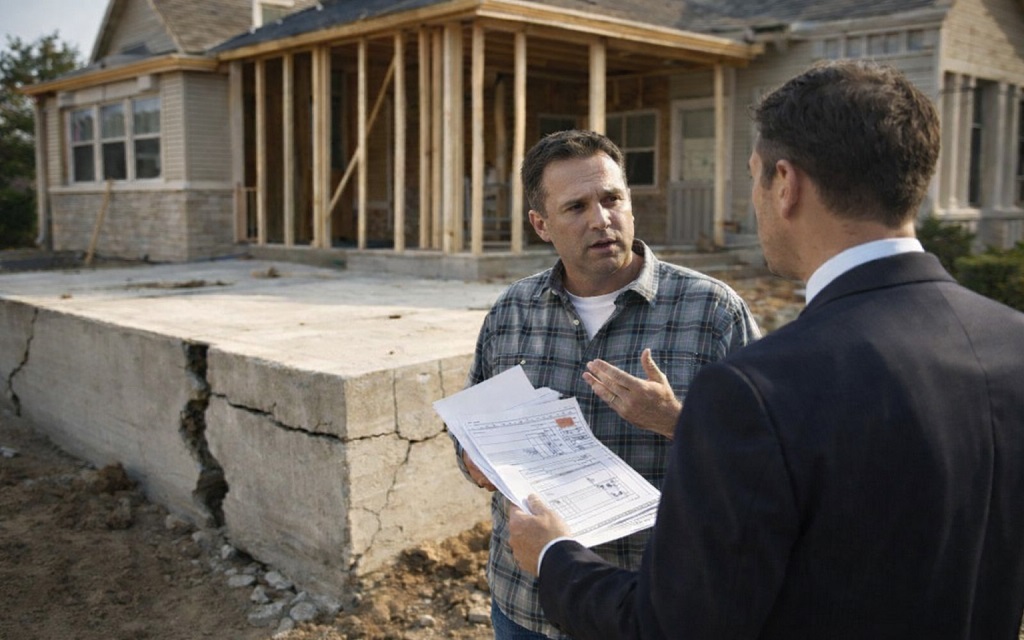
Many homeowners rely on builders to complete safe and reliable construction projects. Large financial commitments make construction disputes stressful and expensive. Legal conflicts appear when contractors fail to meet professional standards or contractual obligations.
The Texas Built Construction lawsuit refers to legal disputes connected to construction defects, unfinished projects, or contractor misconduct involving residential construction work in Texas. Property owners may pursue legal claims when builders fail to complete projects, violate building codes, or breach written agreements.
Housing construction continues to expand across Texas. U.S. Census Bureau data reports more than 260,000 residential building permits issued in Texas in recent years. High construction activity creates an opportunity for responsible builders. Yet legal disputes still occur when workmanship problems or financial misconduct appear.
Texas law provides clear procedures that regulate construction disputes. The Texas Residential Construction Liability Act governs many homeowner claims and requires specific steps before filing lawsuits.
You may ask an important question before any dispute begins. What does the Texas Built Construction lawsuit involve, and how can homeowners protect their rights?
What Is the Texas Built Construction Lawsuit?
The phrase Texas Built Construction lawsuit describes legal disputes involving residential construction services and alleged defects or contractor misconduct. Courts review evidence that determines if builders failed to deliver safe and complete construction work.
Texas State Law Library guidance confirms that homeowners may file lawsuits when contractor work causes property damage or violates contractual agreements. Legal action often follows after construction defects appear or renovation projects remain incomplete.
Several types of disputes commonly appear in construction litigation.
- Defective structural work
- Unfinished construction projects
- Breach of contract disputes
- Building code violations
- Contractor fraud allegations
Real cases illustrate how serious disputes may become. Federal prosecutors reported a North Texas case involving a remodeling company accused of defrauding dozens of homeowners. Investigators estimated financial losses close to $4.8 million across multiple renovation projects.
Rapid housing development increases legal disputes. Texas ranks among the fastest-growing housing markets in the United States. Large numbers of construction projects raise the risk of workmanship errors or contractor misconduct.
You may wonder which specific problems lead homeowners to pursue lawsuits against builders.
Why Do Homeowners File Lawsuits Against Builders in Texas?
Homeowners pursue legal action after serious construction problems affect property value or safety. Contract disputes remain one of the most common reasons for builder lawsuits.
Civil court records across Texas show recurring claims involving contractor negligence or financial misconduct.
Common causes of construction lawsuits include:
- Structural defects that threaten safety
- Unfinished building projects after large deposits
- Substandard workmanship
- Failure to follow approved building plans
- Deceptive business practices
Consumer protection reports highlight the scale of contractor disputes. Federal Trade Commission complaint data shows home improvement services rank among the most-reported consumer complaint categories in the United States.
Real examples demonstrate the financial consequences. News investigations in Texas described cases where homeowners paid contractors for renovation projects that remained incomplete. Prosecutors alleged that some builders falsely claimed professional credentials to attract clients.
Home values increase the impact of construction disputes. Real estate research indicates that the median price of newly built homes in Texas exceeded $330,000 in 2024.
Repair costs can quickly exceed tens of thousands of dollars when major structural defects appear.
Another important question follows. What types of construction defects usually lead to legal claims?
Which Construction Defects Most Often Lead to Lawsuits?
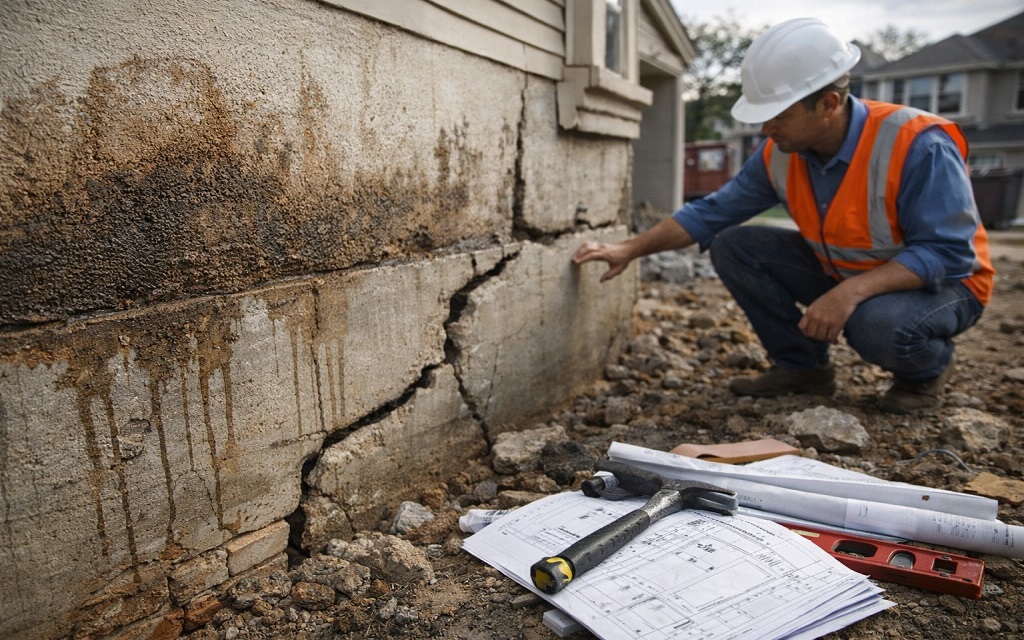
Construction defect disputes often begin after homeowners discover structural damage or safety hazards in newly completed homes. Some defects appear immediately after construction. Other problems develop months or years later.
Engineers and building inspectors identify several common categories of defects in residential construction.
Frequent construction defects include:
- Foundation cracks caused by soil movement
- Roof installation errors that allow water leaks
- Faulty plumbing inside the walls
- Electrical wiring hazards
- Window installation defects that allow moisture intrusion
- Drainage failures near building foundations
Structural damage remains the most serious concern. Texas soil conditions often contain expansive clay. Soil movement can cause foundation shifts that damage walls and floors.
Engineering research estimates that soil-related structural damage causes billions of dollars in property losses across the United States each year.
Water intrusion also creates significant property damage. Insurance industry reports indicate that water damage represents roughly 24 percent of residential property claims nationwide.
Professional inspectors play an important role during legal disputes. Structural engineers evaluate defects and determine the causes of damage. Courts rely on expert testimony when deciding liability in construction lawsuits.
Another key issue requires explanation. Which laws regulate construction disputes in Texas?
What Is the Texas Residential Construction Liability Act?
Texas law regulates construction defect claims through the Texas Residential Construction Liability Act, commonly known as the RCLA. State lawmakers designed this law to create a structured process for resolving disputes between builders and homeowners.
The RCLA requires homeowners to notify contractors before filing lawsuits. Property owners must provide written notice describing the defect at least 60 days before filing legal action.
Notice requirements allow builders an opportunity to inspect the alleged defects and propose repairs.
Key provisions of the RCLA include:
- Written notice before filing a lawsuit
- Builder inspection rights
- Repair proposals from contractors
- Legal guidelines for calculating damages
- Limitations on certain types of claims
Texas State Law Library resources confirm that homeowners must follow the notice process in most residential construction disputes.
Early resolution often occurs through negotiation. American Bar Association construction law research estimates that more than half of construction disputes settle before trial.
Repair proposals may resolve many conflicts without litigation. Contractors sometimes agree to correct defects or reimburse repair costs.
Legal action begins when negotiations fail. Courts then examine construction contracts, inspection reports, and expert testimony.
You may ask what happens after a homeowner decides to file a construction lawsuit.
How Do Construction Lawsuits Work in Texas Courts?
Construction defect lawsuits follow a structured civil litigation process. Each step allows both parties to present evidence and legal arguments.
Common stages of construction litigation include:
- Homeowner sends defect notice to builder
- Contractor performs inspection
- Negotiation attempts between parties
- Civil lawsuit filed in a Texas court
- Expert testimony from engineers or inspectors
- Settlement agreement or court verdict
Attorneys representing homeowners collect evidence before filing lawsuits. Important documentation includes construction contracts, inspection reports, repair estimates, and photographs of structural damage.
Court procedures require both parties to exchange evidence during the discovery process. Attorneys may request contractor records, financial documents, and project communications.
Construction litigation often requires significant time. Arbitration and construction law research shows that complex construction cases may require more than 18 months before final resolution.
Settlement agreements often occur before trials begin. Negotiation helps both parties avoid lengthy court procedures and expensive legal costs.
Expert testimony often determines case outcomes. Structural engineers explain how construction defects occurred and how repairs should be completed.
Another question arises after homeowners consider legal action. What types of compensation may courts award?
What Compensation Can Homeowners Recover in Construction Lawsuits?
Courts may award several types of damages in construction defect cases. Compensation depends on the financial losses caused by defective construction work.
Possible legal remedies include:
- Reimbursement for repair costs
- Compensation for reduced property value
- Reimbursement for temporary housing expenses
- Payment for engineering inspections
- Legal cost recovery in certain situations
Repair costs often represent the largest category of damages. Contractors or engineers provide repair estimates that help courts determine financial losses.
Foundation repair costs illustrate the financial impact of structural defects. Construction repair companies report that foundation repairs in Texas may cost between $10,000 and $30,000 or more, depending on severity.
Temporary relocation costs may also appear in lawsuits. Families sometimes leave homes during major structural repairs.
Fraud cases may lead to criminal penalties in addition to civil damages. Federal courts may impose prison sentences when contractors intentionally deceive homeowners.
Construction disputes often create complex financial consequences. Legal guidance helps homeowners understand possible remedies.
Another key factor affects construction lawsuits. Time limits determine when legal claims must be filed.
What Deadlines Apply to Construction Lawsuits in Texas?
Texas law establishes strict time limits for construction defect lawsuits. These deadlines protect both homeowners and contractors from indefinite legal liability.
Important deadlines include:
- Two years for negligence claims
- Four years for breach of contract claims
- Ten-year statute of repose for construction defect claims
Negligence claims apply when contractors fail to follow professional construction standards. Courts require lawsuits within two years after defect discovery.
Contract claims involve violations of written construction agreements. Texas law allows four years for filing such claims.
Statute of repose rules create a final deadline regardless of the discovery date. Construction defect claims generally cannot proceed more than ten years after project completion.
National Association of Home Builders research shows statutes of repose protect construction professionals from long-term legal uncertainty.
Documentation helps protect homeowner rights within legal deadlines. Inspection reports and repair invoices provide evidence when damage occurs.
Legal timelines may vary depending on individual circumstances. Professional legal advice helps clarify filing deadlines.
Another important issue deserves attention. What real-world cases illustrate construction fraud risks in Texas?
What Real Construction Fraud Cases Have Occurred in Texas?
Several criminal investigations have revealed serious contractor fraud cases in Texas. These cases show how construction disputes can escalate beyond civil lawsuits.
Federal prosecutors reported a North Texas case involving a remodeling company that accepted payments from homeowners for renovation projects. Many projects remained unfinished despite significant payments.
Investigators estimated financial losses of nearly $4.8 million affecting dozens of homeowners.
Court documents described several alleged actions.
- Acceptance of large deposits without completing projects
- False claims of architectural licensing
- Renovation projects left unfinished
- Financial deception involving multiple homeowners
Criminal fraud cases differ from civil construction defect lawsuits. Fraud involves intentional deception rather than poor workmanship.
Federal sentencing guidelines allow prison sentences of up to twenty years for serious wire fraud offenses.
Consumer protection agencies warn homeowners to verify contractor credentials before hiring builders. Federal Trade Commission reports show contractor fraud remains a frequent category of consumer complaints.
Real cases highlight the importance of contractor verification and written agreements.
You may ask what steps can reduce the risk of construction disputes before hiring a builder.
How Can Homeowners Reduce the Risk of Contractor Disputes?
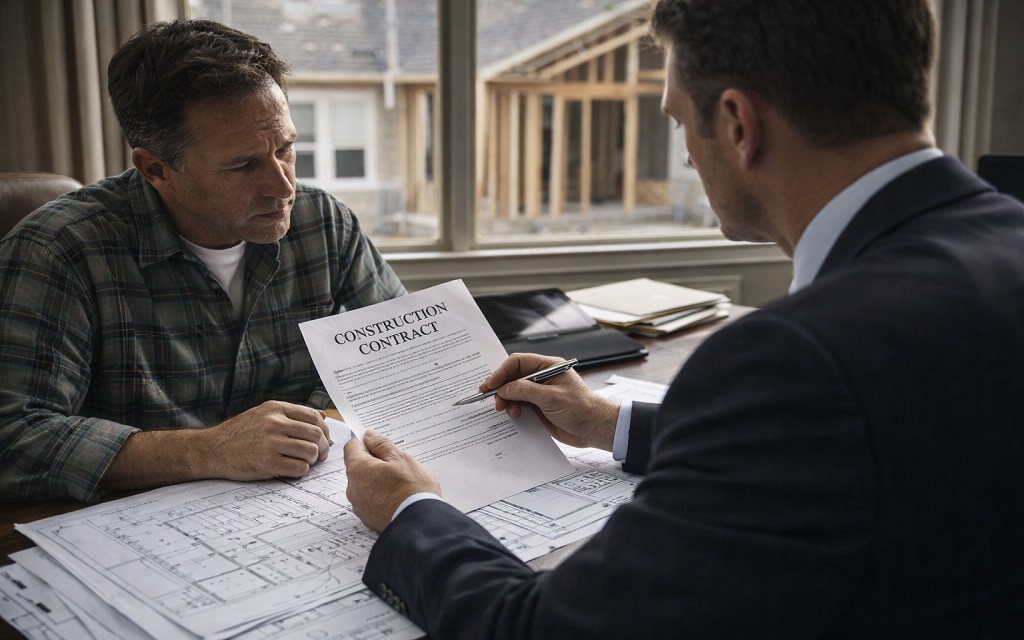
Preventive research can help homeowners avoid construction disputes. Careful contractor selection reduces the risk of defective work or financial misconduct.
Consumer protection agencies recommend several precautions.
Recommended steps include:
- Verify contractor licensing records
- Review insurance coverage
- Request references from previous clients
- Obtain written construction contracts
- Confirm project timelines in writing
- Document all payments and communications
State licensing databases allow verification of contractor credentials. Texas Department of Licensing and Regulation records help homeowners review complaint histories and professional licenses.
Written contracts provide strong legal protection. Clear agreements define project scope, materials, and deadlines.
HomeAdvisor consumer surveys show that homeowners who use written contracts report significantly fewer disputes with contractors.
Project documentation also helps resolve disagreements. Photographs and written communication provide valuable evidence if conflicts arise.
Reliable research before construction begins remains the best defense against costly disputes.
Key Takeaways
Important points help summarize the legal issues involved in builder disputes.
- Construction lawsuits often involve defective workmanship
- Texas law requires a 60-day notice before filing most claims
- Homeowners may recover repair costs and financial damages
- Contractor fraud cases may lead to criminal prosecution
- Written contracts help reduce legal disputes
FAQs
Can you sue a contractor for bad construction in Texas?
Yes. Texas law allows homeowners to file lawsuits when defective construction causes damage or violates contract terms. The Texas Residential Construction Liability Act requires homeowners to notify contractors before filing lawsuits in most cases.
What qualifies as a construction defect?
Construction defects include structural problems, faulty electrical systems, plumbing failures, roof leaks, and foundation damage caused by poor workmanship or code violations.
How long do you have to sue a builder in Texas?
Texas law usually allows two years for negligence claims and four years for contract claims. A ten-year statute of repose may limit lawsuits after project completion.
What does the RCLA law require before filing a lawsuit?
The Texas Residential Construction Liability Act requires homeowners to send written notice to contractors at least sixty days before filing lawsuits. Contractors may inspect defects and offer repairs.
Conclusion
Construction disputes affect homeowners across Texas every year. Large financial investments and complex building projects create situations where legal conflicts may arise.
The Texas Built Construction lawsuit reflects broader concerns involving construction defects, contractor misconduct, and consumer protection.
Texas law provides structured procedures for resolving disputes through the Texas Residential Construction Liability Act. The law encourages negotiation and repair opportunities before litigation begins.
Real fraud cases in Texas demonstrate how serious contractor misconduct can become. Prosecutors have reported multimillion-dollar losses involving unfinished renovation projects and deceptive practices.
Knowledge of construction law helps homeowners protect property investments and make informed decisions before hiring builders.
Careful research, written contracts, and professional inspections remain the most effective ways to prevent construction disputes.

Musarat Bano is a content writer for JudicialOcean.com who covers lawsuits, legal news, and general legal topics. Her work focuses on research-based, informational content developed from publicly available sources and is intended to support public awareness. She does not provide legal advice or professional legal services.