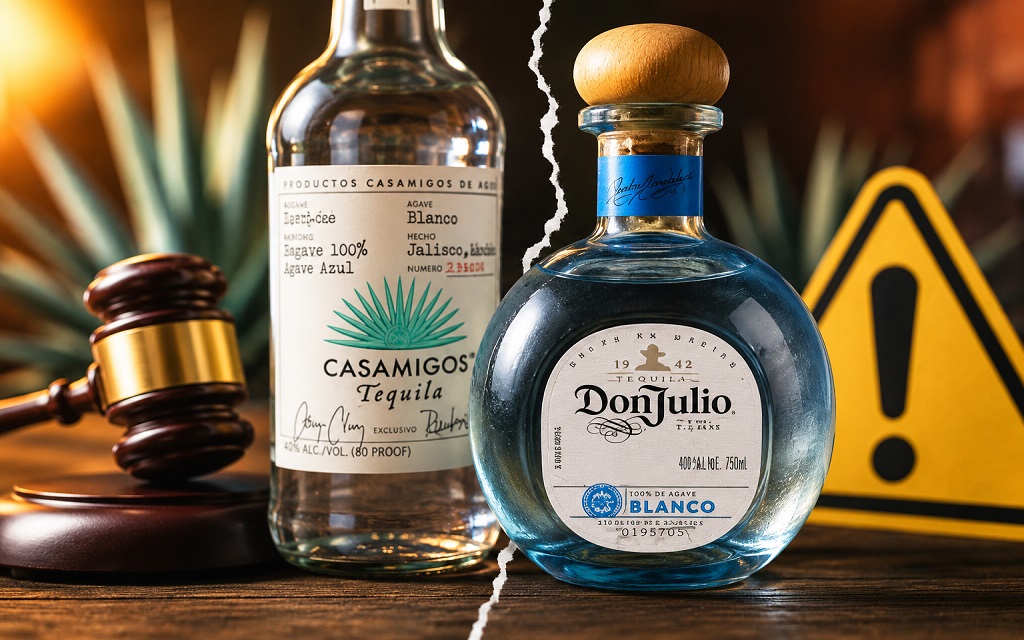
The Don Julio lawsuit is one of several closely watched tequila labeling cases filed against Diageo North America, the company behind Don Julio and Casamigos. Plaintiffs claim the brands were marketed and sold as “100% agave” tequila despite allegedly containing alcohol derived from non-agave sources rather than exclusively from Blue Weber agave, the plant used to produce authentic tequila under Mexican regulations.
Diageo strongly denies those allegations and argues that its products fully comply with both Mexican and U.S. tequila regulations. As of 2026, the litigation remains ongoing, and no court has determined whether the allegations are true.
The dispute has attracted attention from consumers, tequila industry experts, regulators, attorneys, and investors because it raises broader questions about tequila purity standards, product labeling, consumer protection laws, and premium alcohol marketing practices. The outcome could influence future litigation involving other tequila brands and may affect how “100% agave” claims are verified in the marketplace.
| Item | Status |
|---|---|
| Defendant | Diageo |
| Products | Don Julio, Casamigos |
| Lawsuit Type | Consumer Class Action |
| Settlement | None |
| Compensation | Not Available |
| Status | Ongoing |
What Is the Don Julio Lawsuit?
The Don Julio lawsuit refers to a series of proposed class action lawsuits accusing Diageo North America of falsely marketing Don Julio and Casamigos tequila as products made entirely from Blue Weber agave, a crop primarily grown in Jalisco, Mexico, the heart of tequila production.
According to the complaints, consumers paid premium prices because they believed the products met the strict requirements associated with “100% agave” tequila. Plaintiffs argue they would not have purchased the products or would have paid less if they had known the alleged truth.
The lawsuits were filed in federal court and seek damages for consumers who purchased the affected products. They also request court orders preventing any allegedly misleading marketing practices. The litigation focuses on economic harm rather than physical injury or product safety concerns.
| Fact | Details |
|---|---|
| Defendant | Diageo North America |
| Products | Don Julio, Casamigos |
| Main Allegation | False 100% agave labeling |
| Court Status | Pending |
| Settlement | None |
| Class Certified | No |
| Injury Claims | No |
| Economic Loss Claims | Yes |
Latest Don Julio Lawsuit Updates (June 2026)
The most recent developments involve Diageo’s efforts to dismiss several complaints before the litigation proceeds into discovery. Court records indicate that motions to dismiss remain pending, and no judge has ruled on the underlying allegations.
The company has also requested pauses in certain proceedings while dismissal arguments are considered. Plaintiffs oppose those requests and argue that the litigation should move forward.
No settlement negotiations, compensation programs, or consumer reimbursement plans have been publicly announced.
Why Is Diageo Being Sued?
Diageo is being sued because plaintiffs allege the company falsely represented Don Julio and Casamigos as “100% agave” tequila while selling products containing alcohol from other sources, including cane-derived spirits. According to the lawsuits, such products would not meet regulatory requirements for tequila labeled “100% agave.”
The complaints rely on state Consumer Protection Laws, false advertising statutes, unfair competition laws, and warranty-related claims. Some allegations also reference principles commonly enforced under consumer advertising standards that are similar to those overseen by the Federal Trade Commission (FTC).
Plaintiffs contend that Diageo used premium branding, luxury positioning, and purity claims to justify higher prices while allegedly failing to provide the product consumers believed they were purchasing.
Diageo rejects these allegations and maintains that all Don Julio and Casamigos products labeled as “100% agave” meet applicable legal and regulatory standards.
Key Allegations Against Diageo
The lawsuits focus on several allegations.
Non-Agave Alcohol Allegations
Plaintiffs claim laboratory testing detected alcohol that allegedly did not originate from Blue Weber agave, the plant required for tequila marketed as “100% agave.”
False Advertising Claims
Consumers argue that statements appearing on bottles and marketing materials influenced purchasing decisions and justified premium pricing.
Premium Pricing Allegations
According to the complaints, consumers paid more because they believed they were purchasing authentic 100% agave tequila.
Consumer Protection Violations
The lawsuits rely on state consumer protection laws, false advertising statutes, unfair competition laws, and warranty-related claims.
What Plaintiffs Allege
The plaintiffs allege that Don Julio and Casamigos contain measurable amounts of alcohol that did not originate from Blue Weber agave. They claim laboratory testing showed evidence of non-agave alcohol, which would conflict with the legal requirements for tequila marketed as “100% agave.”
Court filings further allege that consumers were misled by bottle labels displaying phrases such as “100% de Agave” and “Tequila 100% Agave Azul.” According to the complaints, those representations influenced purchasing decisions and enabled Diageo to charge premium prices.
Some later lawsuits expanded the allegations by claiming broader fraudulent conduct and challenging industry certification systems. However, these allegations remain claims made by plaintiffs and have not been proven in court.
What Evidence Supports the Claims?
The plaintiffs primarily rely on laboratory testing that allegedly detected alcohol from sources other than Blue Weber agave. Reports discussing the litigation reference Carbon Isotope Ratio Testing and advanced scientific techniques such as SNIF-NMR (Site-Specific Natural Isotope Fractionation Nuclear Magnetic Resonance). These methods are used to evaluate whether ethanol originated from Blue Weber agave or from alternative agricultural sources such as sugar cane. These are used to identify the origin of alcohol compounds. Plaintiffs argue that these tests indicate the presence of non-agave-derived ethanol.
The lawsuits also cite industry reports, expert opinions, and investigations concerning tequila production practices. Plaintiffs argue that these materials support concerns about tequila adulteration and labeling accuracy within parts of the industry.
It is important to note that the scientific evidence remains disputed. Diageo challenges both the conclusions and the methodology relied upon by the plaintiffs. The court has not yet determined whether the testing proves the allegations.
Understanding the Scientific Testing at the Center of the Lawsuit
Several complaints reference laboratory methods used to identify the source of alcohol contained in distilled spirits.
The testing discussed in court filings includes carbon isotope analysis and Site-Specific Natural Isotope Fractionation Nuclear Magnetic Resonance (SNIF-NMR). These techniques can help scientists determine whether ethanol originated from agave plants or from alternative agricultural sources such as sugar cane.
Plaintiffs argue that the testing supports their allegations. Diageo disputes those conclusions and challenges both the methodology and interpretation of the results.
The court has not determined whether the testing proves the claims made in the lawsuits.
Diageo’s Response to the Allegations
Diageo has vigorously denied all allegations. The company describes the claims as baseless, implausible, and inconsistent with established tequila certification processes. According to Diageo, Don Julio and Casamigos are made entirely from Blue Weber agave and satisfy all applicable regulatory requirements.
The company states that its products undergo rigorous certification through the Consejo Regulador del Tequila (CRT), the Mexican regulatory body responsible for monitoring tequila production and compliance with NOM tequila standards.
The Mexican organization responsible for enforcing tequila standards. Diageo also points to compliance with labeling and import requirements administered by the Alcohol and Tobacco Tax and Trade Bureau (TTB) in the United States.
In multiple cases, Diageo filed motions to dismiss, arguing that the plaintiffs’ allegations lack factual and legal support. The company continues to defend its labeling practices and product integrity.
Court Documents and Case Information
The Don Julio litigation consists of multiple proposed class actions filed against Diageo North America in federal court.
The cases generally allege false advertising and consumer deception involving Don Julio and Casamigos tequila products. Plaintiffs seek damages, restitution, and injunctive relief designed to prevent allegedly misleading marketing practices.
Because motions to dismiss remain pending, the litigation has not yet advanced into full discovery.
Consumers interested in monitoring the litigation should follow court filings, legal news reports, and official case updates.
Current Case Status
As of 2026, the litigation remains active. Courts have not ruled on the underlying allegations, and no settlement has been announced. Multiple related lawsuits involving Don Julio and Casamigos remain pending before the U.S. District Court for the Eastern District of New York.
Recent filings show that Diageo sought a stay of proceedings while motions to dismiss are considered. Plaintiffs opposed that request, arguing the litigation should continue while the court evaluates the motions. The parties are currently awaiting judicial rulings on several procedural issues.
Because the litigation is ongoing, consumers should treat all allegations as unproven claims until a court reaches a final decision or the parties resolve the dispute.
What Happens Next in the Don Julio Lawsuit?
Several possible outcomes remain.
If the court grants Diageo’s motions to dismiss, some or all claims could be removed from the litigation.
If the claims survive dismissal, the parties would likely enter discovery. During discovery, both sides exchange documents, expert reports, testing data, and witness testimony.
The litigation could eventually result in a settlement, class certification proceedings, trial, or appellate review.
At this stage, no outcome is guaranteed.
Don Julio Lawsuit Timeline
May 5, 2025
A proposed class action lawsuit was filed in federal court in Brooklyn, New York, alleging that Don Julio and Casamigos were falsely marketed as “100% agave” tequila.
May 2025
Media outlets begin reporting on allegations involving laboratory testing and tequila purity claims.
July 2025
Additional lawsuits and expanded allegations are reported against Diageo.
October-November 2025
Diageo files motions to dismiss several tequila purity lawsuits, arguing that the allegations are unsupported and legally deficient.
May 2026
Court filings indicate that parties are awaiting rulings on motions to dismiss. Diageo seeks a stay of proceedings while those motions remain pending.
Who May Qualify?
Potential class members may include consumers who purchased Don Julio or Casamigos tequila during the period identified in the lawsuits. Exact eligibility requirements have not yet been established because no class has been certified by the court.
Individuals who purchased the products based on “100% agave” marketing claims may eventually receive notice if a class is certified or a settlement is reached. Consumers should keep receipts, purchase records, loyalty account histories, or other proof of purchase whenever possible.
Because the litigation remains in its early stages, no official claims process currently exists.
Has the Don Julio Lawsuit Settled?
No. As of 2026, no settlement has been announced, and no compensation has been approved by any court.
Consumers should be cautious of websites claiming to know future settlement amounts because no settlement fund currently exists.
Potential Compensation If a Settlement Occurs
If plaintiffs ultimately prevail or the parties negotiate a settlement, compensation could potentially include:
- Cash payments
- Refunds
- Partial reimbursements
- Product vouchers
- Changes to labeling or marketing practices
Any future compensation would depend entirely on court rulings or settlement terms that have not yet been determined.
What Does “100% Agave” Mean?
Under NOM tequila standards, a tequila labeled “100% agave” must be produced entirely from sugars derived from Blue Weber agave. Most of this agave is cultivated in Jalisco and other authorized tequila-producing regions of Mexico. This designation distinguishes premium tequila from “mixto” tequila, which may contain other sugar sources during production.
The “100% agave” label is important because many consumers associate it with higher quality, traditional production methods, and greater authenticity. Premium tequila brands often rely heavily on this designation as part of their marketing strategy.
The central issue in the Don Julio lawsuit is whether the products actually satisfy those standards. Plaintiffs say they do not. Diageo says they do. The court has not yet decided who is correct.
How Tequila Purity Is Regulated
Tequila production is governed by Mexican regulations, including NOM standards that define how tequila must be produced, labeled, and certified. The Consejo Regulador del Tequila oversees compliance and certification activities within the tequila industry.
For products exported to the United States, labeling requirements are also reviewed by the Alcohol and Tobacco Tax and Trade Bureau. U.S. regulators generally recognize and rely upon Mexico’s tequila standards because tequila is a protected geographic indication product.
Diageo argues that Don Julio and Casamigos completed all required certification procedures and therefore comply with applicable regulations. Plaintiffs challenge whether certification alone guarantees that every product marketed as “100% agave” actually meets consumer expectations and regulatory standards.
Why the “100% Agave” Label Matters
The term “100% agave” carries significant value within the tequila industry.
Consumers often associate the designation with:
- Higher quality ingredients
- Traditional production methods
- Premium tequila standards
- Authentic Mexican tequila production
Brands frequently use the label to distinguish their products from mixto tequila, which may contain sugars from sources other than Blue Weber agave during production.
Because many consumers rely on these representations when making purchasing decisions, disputes involving agave content often attract significant legal attention.
Impact on the Tequila Industry
The Don Julio lawsuit has become part of a broader debate surrounding transparency, labeling, additives, authenticity, and consumer trust within the tequila industry. Several other tequila brands have faced similar allegations, creating increased scrutiny of production practices and certification systems.
Industry experts have noted that the litigation could encourage greater disclosure requirements and more advanced testing procedures if courts determine that existing safeguards are insufficient. Others argue that current certification systems already provide robust oversight.
Regardless of the outcome, the lawsuits have intensified public discussion about tequila purity and premium alcohol marketing claims.
FAQs
Is the Don Julio lawsuit real?
Yes. Multiple proposed class action lawsuits have been filed against Diageo, alleging that Don Julio and Casamigos tequila were falsely marketed as 100% agave products. The litigation remains ongoing.
Has Don Julio settled the lawsuit?
No. No settlement has been announced as of June 2026.
Can consumers file a claim right now?
No. The court has not certified a class, and no official claims process currently exists.
How much is the Don Julio lawsuit settlement worth?
There is currently no settlement. Any estimates regarding future compensation remain speculative.
Latest Updates and What Happens Next
The most significant development in 2026 is that courts are considering Diageo’s motions to dismiss while related cases continue to move through federal litigation. The parties remain engaged in procedural disputes, and no final decision has been issued.
The next major milestone will likely be court rulings on those motions. If the claims survive dismissal, the cases could move into discovery, where both sides would exchange evidence and expert testimony. If the court dismisses some or all claims, plaintiffs may seek amendments or pursue appeals depending on the circumstances.
For now, the Don Julio lawsuit remains an active and unresolved legal dispute. Consumers, industry observers, and legal analysts continue to watch the case because its outcome could shape future tequila labeling litigation and influence how “100% agave” claims are evaluated in the years ahead.

Musarat Bano is a content writer for JudicialOcean.com who covers lawsuits, legal news, and general legal topics. Her work focuses on research-based, informational content developed from publicly available sources and is intended to support public awareness. She does not provide legal advice or professional legal services.