
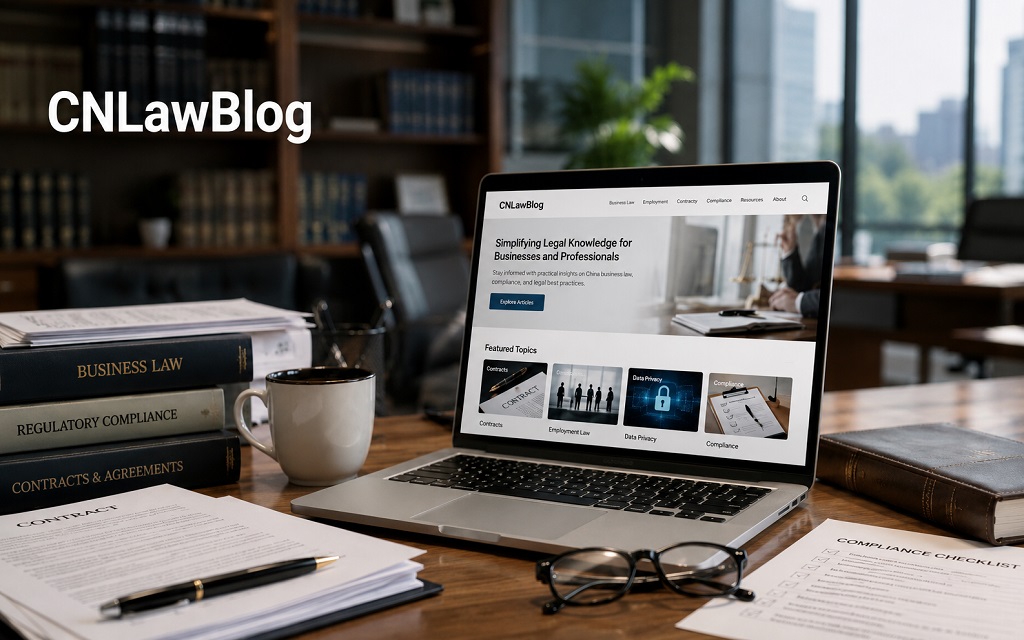
CNLawBlog is a legal information platform that publishes educational content on business law, contracts, employment law, regulatory compliance, consumer rights, data privacy, and other legal topics. The platform is designed to help readers understand complex legal concepts through simplified explanations and practical guidance.
Unlike a law firm, it does not provide legal representation or personalized legal advice. Instead, it serves as an educational resource for business owners, entrepreneurs, students, compliance professionals, and individuals seeking reliable legal information.
This guide explains what CNLawBlog is, how it works, its key features, benefits, limitations, reliability, and how it compares with other legal information websites such as the Legal Information Institute, Justia, FindLaw, and Nolo.
What Is CNLawBlog?
CNLawBlog is an online legal information platform that publishes educational articles covering legal concepts, compliance requirements, business regulations, employment issues, contracts, intellectual property matters, consumer rights, and related legal topics. Its primary goal is to make legal information easier to understand for readers without formal legal training.
Unlike a law firm, it does not provide legal representation or personalized legal advice. Instead, it serves as an educational resource that helps readers learn about legal issues and stay informed about legal and regulatory developments.
Who Owns CNLawBlog?
One of the first questions readers often ask when evaluating any legal information website is who operates the platform and how its content is produced.
Ownership transparency is an important factor when assessing the credibility of legal resources. Readers should review information available on the platform’s About page, editorial guidelines, legal disclaimers, and author profiles whenever possible.
Understanding who creates legal content can help users evaluate the expertise, reliability, and trustworthiness of the information presented. Trustworthy legal websites typically provide information about their editorial processes, content standards, and the qualifications of contributing authors.
When reviewing any legal information platform, readers should also determine whether content is written by legal professionals, subject-matter experts, experienced researchers, or editorial teams specializing in legal education.
Why CNLawBlog Has Gained Attention
It has gained attention because it makes legal information easier to understand for non-lawyers. As more individuals, business owners, and professionals search online for guidance on contracts, compliance, employment law, privacy regulations, and consumer rights, the demand for accessible legal education continues to grow.
The platform appeals to readers by simplifying complex legal topics, providing practical explanations, and helping users stay informed about important legal and regulatory developments.
How CNLawBlog Works
Content Publishing Model
CNLawBlog functions primarily as an educational legal content platform. Articles are published to help readers understand legal concepts, legal developments, compliance obligations, and business-related legal issues.
Rather than focusing exclusively on one practice area, the platform covers a broad range of legal subjects that affect businesses, professionals, students, and consumers. This approach allows readers to explore multiple areas of law from a single source.
Legal Education Focus
The primary objective of CNLawBlog is legal education. Articles are generally written to explain legal principles in a simplified manner while maintaining accuracy and practical relevance.
Educational legal content helps readers develop a foundational understanding of legal issues before consulting primary legal sources such as statutes, regulations, court decisions, or government guidance.
Legal News and Regulatory Updates
Many legal information platforms publish content about evolving regulations, compliance developments, and legal trends. Keeping readers informed about changing laws is an important part of legal education because regulatory environments continue to evolve across industries.
Businesses, compliance professionals, and entrepreneurs often rely on educational legal resources to stay informed about legal developments that may affect their operations.
Practical Legal Guidance
In addition to explaining legal concepts, CNLawBlog may provide practical insights into legal issues that affect everyday business and personal activities. Examples include contract management, employment obligations, intellectual property protection, consumer rights, privacy compliance, and risk management practices.
This practical approach helps readers understand how legal principles apply in real-world situations while encouraging them to seek professional legal advice for complex matters.
Key Features
Legal Guides
One of the most valuable features of this platform is its collection of legal guides. These guides explain complex legal topics in a simplified format, helping readers understand important laws, regulations, and legal concepts without requiring formal legal training. They also serve as a useful starting point for legal research.
Legal Definitions and Terminology
Legal language can often be difficult for non-lawyers to understand. This platform provides explanations of common legal terms, legal doctrines, and industry-specific terminology, making legal documents and regulations easier to interpret.
Compliance Resources
Compliance remains a major concern for businesses operating in regulated industries. It publishes compliance-focused content that explains regulatory requirements, risk management practices, and legal obligations that organizations must understand to remain compliant.
Legal News and Updates
Laws and regulations frequently change. It helps readers stay informed by publishing articles covering legal developments, regulatory updates, and emerging compliance issues that may affect businesses and individuals.
Industry-Specific Legal Content
Different industries face unique legal challenges. It addresses these concerns by providing legal insights tailored to sectors such as business, technology, employment, consumer protection, and data privacy.
Educational Legal Resources
The platform focuses heavily on legal education. Its educational content helps readers build foundational legal knowledge while improving their understanding of legal rights, responsibilities, and compliance requirements.
Areas of Law Covered by CNLawBlog
Business Law
Business law is one of the core subjects covered on CNLawBlog. Articles often discuss business formation, corporate governance, commercial transactions, legal risk management, and operational compliance. This information can help business owners better understand the legal framework that governs their organizations.
Contract Law
Contract law content explains how legally binding agreements are created, interpreted, and enforced. Readers can learn about contract formation, contract disputes, breach of contract claims, and methods of dispute resolution used in commercial relationships.
Employment Law
Employment law articles cover workplace regulations, employee rights, wage and hour laws, discrimination issues, workplace policies, and employer responsibilities. These topics are particularly important for business owners, HR professionals, and employees.
Intellectual Property Law
Protecting intellectual assets has become increasingly important in the digital economy. CNLawBlog explores trademarks, copyrights, patents, licensing agreements, and intellectual property protection strategies that help businesses safeguard valuable assets.
Consumer Protection Law
Consumer protection laws are designed to protect individuals from unfair or deceptive business practices. Articles in this category may discuss consumer rights, product liability, false advertising claims, and legal remedies available to consumers.
Data Privacy Law
As privacy regulations continue to evolve worldwide, businesses must understand how personal information is collected, stored, and processed. CNLawBlog covers data privacy laws, cybersecurity obligations, privacy policies, and regulatory compliance requirements related to data protection.
Corporate Governance
Corporate governance content focuses on the systems, policies, and procedures used to manage and oversee organizations. Topics often include board responsibilities, corporate ethics, internal controls, and regulatory compliance frameworks.
Regulatory Compliance
Regulatory compliance remains one of the most important areas for modern businesses. It provides educational content that helps organizations understand legal obligations imposed by government agencies and industry regulators.
Who Uses CNLawBlog?
Business Owners
Business owners frequently use CNLawBlog to better understand contracts, compliance requirements, employment regulations, and legal risks that may impact daily operations. The platform helps simplify legal concepts that are relevant to managing a successful business.
Entrepreneurs
Entrepreneurs often rely on legal education platforms when researching business formation, intellectual property protection, contracts, and startup compliance requirements. It provides introductory legal guidance that can support informed decision-making during business growth.
Startups
Startups face numerous legal challenges during their early stages. Founders may use CNLawBlog to learn about corporate structures, fundraising regulations, privacy obligations, and legal agreements commonly used in business operations.
Students
Students often use legal blogs as supplementary learning resources. It can help students understand legal principles, legal terminology, compliance frameworks, and foundational concepts that may not be fully explained in traditional educational materials.
Compliance Professionals
Compliance officers and risk management professionals may benefit from articles discussing regulatory developments, legal obligations, and industry-specific compliance challenges. Educational content can support ongoing professional development and regulatory awareness.
Legal Researchers
Researchers frequently use legal information platforms as a starting point for exploring legal topics before consulting primary legal sources such as statutes, regulations, court decisions, and government guidance.
General Readers
Individuals without legal backgrounds also benefit from CNLawBlog. The platform helps readers understand laws, legal rights, consumer protections, and regulatory issues that may affect their personal or professional lives.
Benefits of Using CNLawBlog
Simplified Legal Information
One of the biggest advantages of CNLawBlog is its ability to explain complex legal concepts in a clear and understandable way. Legal topics can often be overwhelming for non-lawyers, but the platform focuses on presenting information in plain language that is easier to follow.
Educational Value
It serves as an educational resource for readers who want to improve their understanding of legal systems, business regulations, compliance obligations, and legal rights. The content helps users build foundational legal knowledge without requiring formal legal education.
Legal Awareness
Understanding the law is essential for both individuals and businesses. By explaining legal principles and regulatory developments, this platform helps readers become more aware of potential legal risks, responsibilities, and opportunities.
Research Support
Many users begin their legal research online before consulting official sources. This platform provides introductory information that can help readers identify important legal issues, understand key concepts, and determine where further research may be necessary.
Compliance Education
Regulatory compliance has become increasingly important across industries. The platform publishes content related to compliance requirements, legal obligations, and risk management practices that can help organizations stay informed and avoid costly mistakes.
Accessibility for Non-Lawyers
Unlike many legal journals and professional legal publications, CNLawBlog is designed for a broader audience. Business owners, entrepreneurs, students, and everyday readers can benefit from content that prioritizes clarity and accessibility.
Is CNLawBlog Legitimate and Reliable?
It appears to function as an educational legal information platform rather than a law firm or legal advisory service. Its content is intended to provide general legal knowledge and should be viewed as an informational resource rather than a source of personalized legal advice.
Content Accuracy
The reliability of any legal information website depends on the accuracy of its content. Readers should always verify important legal information through official government sources, court decisions, regulatory guidance, and qualified legal professionals when necessary.
Editorial Transparency
Trustworthy legal websites typically provide information about their editorial standards, content creation process, and contributor qualifications. Transparency helps readers evaluate the credibility of the information presented.
Source Quality
High-quality legal content is generally based on recognized legal principles, legislation, judicial decisions, and regulatory guidance. Readers should look for articles that reference credible sources and distinguish between factual information and opinion.
Regular Updates
Laws and regulations change frequently. Legal education platforms that regularly update their content are often more reliable than websites that contain outdated legal information.
Trustworthiness
When evaluating CNLawBlog, readers should consider factors such as content quality, source attribution, update frequency, author expertise, and transparency. These elements contribute significantly to a platform’s overall trustworthiness.
Potential Limitations
Not a Substitute for Legal Advice
Although CNLawBlog provides valuable educational information, it cannot replace professional legal advice. Legal matters often involve unique facts and jurisdiction-specific rules that require analysis by a qualified attorney.
Jurisdiction-Specific Differences
Laws vary significantly between countries, states, provinces, and local jurisdictions. Information discussed in a general legal article may not apply equally in every location. Readers should always verify whether specific legal rules apply in their jurisdiction.
Regulatory Changes
Legal and regulatory environments continue to evolve. New legislation, court rulings, and agency guidance can affect the accuracy of previously published information. Users should confirm that legal information remains current before relying on it.
Limited Case-Specific Guidance
Educational content is designed to provide general information. It cannot fully address the specific circumstances, facts, or legal complexities involved in individual legal situations.
Need for Professional Consultation
Complex issues involving litigation, intellectual property disputes, corporate transactions, tax matters, employment conflicts, or regulatory investigations often require professional legal representation and personalized advice.
CNLawBlog vs Traditional Legal Resources
| Feature | CNLawBlog | Traditional Legal Resources |
|---|---|---|
| Ease of Understanding | High | Low |
| Accessibility | High | Medium |
| Cost | Usually Free | Often Paid |
| Educational Focus | Strong | Moderate |
| Legal Depth | Moderate | Very High |
| Beginner Friendly | Yes | Limited |
| Research Starting Point | Excellent | Moderate |
Traditional legal resources such as statutes, regulations, court opinions, and academic journals remain the most authoritative sources of legal information. However, they often contain technical language that can be difficult for non-specialists to understand.
CNLawBlog fills an important gap by translating legal concepts into more accessible explanations. For beginners and general readers, this approach makes legal information easier to understand while encouraging further research through official sources.
CNLawBlog vs Other Legal Information Websites
Several well-known legal information platforms compete within the online legal education space. Each platform serves a slightly different audience and purpose.
| Platform | Primary Focus | Best For |
| CNLawBlog | Legal Education | General Readers |
| Justia | Legal Research & Case Law | Researchers |
| Legal Information Institute (LII) | Primary Legal Sources | Legal Research |
| FindLaw | Consumer Legal Information | Individuals & Businesses |
| Nolo | Self-Help Legal Resources | Small Businesses & Consumers |
While it focuses on simplified legal education, larger platforms often provide additional tools such as legal databases, attorney directories, legal forms, and access to primary legal materials.
Best Alternatives to CNLawBlog
Justia
Justia is one of the most widely recognized legal research platforms. It offers access to case law, statutes, legal guides, attorney directories, and educational resources covering numerous areas of law.
Legal Information Institute (LII)
Operated by Cornell Law School, the Legal Information Institute is considered one of the most trusted sources for free legal information. It provides access to statutes, regulations, Supreme Court decisions, and legal reference materials.
FindLaw
FindLaw combines legal education with attorney directories, legal news, and consumer-focused legal guidance. It serves both individuals seeking legal information and those searching for professional legal assistance.
Nolo
Nolo specializes in practical legal self-help resources. Its content covers business law, estate planning, employment law, consumer rights, intellectual property, and other everyday legal issues.
Government and Regulatory Websites
Official government agencies often provide the most authoritative legal information available. Regulatory bodies, court systems, and government departments publish statutes, regulations, guidance documents, and enforcement updates directly from the source.
Using multiple legal information sources can help readers develop a more complete and accurate understanding of legal topics.
How We Evaluated CNLawBlog
Evaluating a legal information platform requires more than simply reviewing its content. To provide a balanced assessment of CNLawBlog, several important factors were considered.
Content Quality
The first factor involved analyzing the clarity, depth, and educational value of the content. High-quality legal resources should explain complex topics accurately while remaining accessible to non-lawyers.
Topic Coverage
A useful legal information platform should cover a broad range of subjects that are relevant to businesses, professionals, students, and general readers. We examined whether it addresses important legal topics such as Business Law, Contract Law, Employment Law, Intellectual Property Law, Consumer Protection Law, Data Privacy Law, and Regulatory Compliance.
Readability and Accessibility
One of the primary goals of legal education websites is to make legal information easier to understand. We considered how effectively the platform simplifies legal terminology and presents information in a reader-friendly format.
Research Value
We also evaluated the usefulness of CNLawBlog as a starting point for legal research. Strong educational resources should help readers understand key concepts before consulting primary legal sources or seeking professional legal advice.
Trust and Transparency
Trust plays a major role in legal publishing. We considered factors such as content reliability, source quality, editorial transparency, and the platform’s overall educational purpose.
Our Review of CNLawBlog
Strengths
CNLawBlog’s greatest strength is its focus on accessibility. Legal information can often feel intimidating, especially for readers without legal training. By simplifying complex concepts, the platform helps bridge the gap between legal professionals and the general public.
Another advantage is its broad topic coverage. Rather than focusing exclusively on a single practice area, CNLawBlog discusses various legal subjects that affect businesses, entrepreneurs, compliance professionals, students, and consumers.
The platform also serves as a practical introduction to legal research. Readers can quickly gain a basic understanding of legal concepts before exploring more detailed resources.
Weaknesses
Like most legal blogs, CNLawBlog cannot provide personalized legal advice. Its content is educational in nature and may not address the unique circumstances involved in individual legal matters.
The platform also depends on readers verifying important legal information through official sources. Laws and regulations change frequently, and legal blogs may not always reflect the most recent developments immediately.
In addition, legal topics often vary by jurisdiction. Readers should confirm whether legal information applies to their specific state, province, country, or regulatory environment.
Overall Assessment
Overall, CNLawBlog performs well as a legal education platform. It provides understandable explanations of legal concepts, offers broad legal coverage, and serves as a useful resource for readers seeking introductory legal knowledge.
For individuals looking to improve legal awareness, understand compliance requirements, or learn about business regulations, it can be a valuable starting point. However, important legal decisions should always be supported by official legal sources and professional legal advice when necessary.
Future of Online Legal Education Platforms Like CNLawBlog
Artificial Intelligence and Legal Research
Artificial intelligence is changing how people discover and consume legal information. AI-powered search engines, legal research assistants, and natural language processing technologies are making legal content more accessible than ever before.
Legal education platforms such as CNLawBlog may continue adapting their content to support AI-driven search experiences, answer engines, and generative search technologies.
Growth of Digital Legal Resources
The demand for online legal information continues to increase as businesses and individuals seek convenient access to educational resources. Digital legal publishing is expected to remain an important part of legal education in the coming years.
Compliance-Focused Education
Regulatory compliance has become a growing priority across industries. Businesses must navigate privacy regulations, employment requirements, cybersecurity obligations, and consumer protection laws. Educational platforms that explain these subjects clearly are likely to remain highly valuable.
Increased Public Access to Legal Knowledge
Technology has significantly improved public access to legal information. Readers can now learn about laws, regulations, legal rights, and compliance obligations without needing specialized legal training. Platforms like this contribute to this trend by making legal education more accessible and understandable.
FAQs
What is CNLawBlog?
CNLawBlog is a legal information platform that publishes educational content covering legal concepts, business regulations, compliance issues, contracts, employment law, consumer protection, intellectual property, and other legal topics. Its purpose is to make legal information easier to understand for a broad audience.
Is CNLawBlog a law firm?
No. CNLawBlog is an educational legal resource rather than a law firm. It does not provide attorney-client services, legal representation, or personalized legal advice.
Is CNLawBlog free to use?
Most publicly accessible legal education content on this platform is generally available without charge, allowing readers to access legal information and educational resources online.
Is CNLawBlog reliable?
It can be a useful educational resource when used appropriately. However, readers should verify important legal information through official government sources, court decisions, regulatory guidance, and qualified legal professionals.
Who should use CNLawBlog?
The platform can benefit business owners, entrepreneurs, students, compliance professionals, legal researchers, and individuals seeking a better understanding of legal concepts and regulatory requirements.
Final Thoughts
CNLawBlog is a useful legal information resource for readers who want to better understand legal concepts, business regulations, compliance requirements, and related legal topics. Its simplified approach makes legal information more accessible to business owners, students, professionals, and general readers.
While it should not replace professional legal advice, it can serve as a helpful starting point for legal education and preliminary research before consulting official sources or qualified legal professionals.
Musarat Bano is a content writer for JudicialOcean.com who covers lawsuits, legal news, and general legal topics. Her work focuses on research-based, informational content developed from publicly available sources and is intended to support public awareness. She does not provide legal advice or professional legal services.