
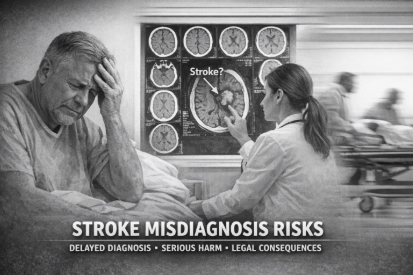
A stroke is one of the most time sensitive medical emergencies. Doctors often say “time is brain” because brain cells begin to die within minutes when blood flow is blocked. According to the American Stroke Association, nearly 1 in 4 stroke patients are initially misdiagnosed in emergency settings, especially when symptoms look mild or unusual.
When early signs are missed, the consequences can be devastating. Patients can lose mobility, speech, memory, or even their lives. In some cases, a missed diagnosis also raises serious legal questions about medical standards and patient safety.
The Subtle Warning Signs That Often Get Overlooked
Most people recognize classic stroke symptoms like facial drooping or sudden paralysis. But strokes do not always follow the textbook pattern. Emergency rooms see many cases where symptoms appear confusing or unrelated.
Doctors sometimes overlook warning signs such as:
- Sudden dizziness or balance problems
• Severe unexplained headache
• Vision problems in one or both eyes
• Numbness on one side of the body
• Sudden confusion or trouble speaking
• Persistent nausea combined with neurological symptoms
Research published in medical journals shows that younger patients and women are more likely to experience unusual stroke symptoms, which increases the risk of misdiagnosis. In busy emergency departments, these symptoms may be mistaken for migraines, anxiety, or vertigo—an issue that often raises important questions in Legal Analysis & Patient Rights, particularly when delayed diagnosis leads to preventable harm.
Diagnostic Standards Doctors Are Expected to Follow
Hospitals rely on clear clinical protocols when a stroke is suspected. Emergency physicians are trained to quickly perform neurological assessments and imaging tests.
Standard stroke evaluation typically includes:
- FAST assessment for facial drooping, arm weakness, and speech issues
• Immediate CT or MRI brain scans
• Blood tests to rule out other causes
• Monitoring blood pressure and neurological response
These tests help determine whether the stroke is ischemic or hemorrhagic and whether clot dissolving treatment is appropriate. Treatments like tPA medication must be given within a narrow time window, usually within 3 to 4.5 hours of symptom onset.
When delays happen because warning signs were not taken seriously, the patient may lose the opportunity for life saving treatment.
Real World Consequences of Missed Diagnoses
Consider a situation that happens more often than people think. A middle aged patient walks into an emergency room complaining of dizziness and nausea. Because there is no obvious paralysis, the case is treated as vertigo. The patient is discharged with medication.
Twelve hours later, the person returns with severe neurological damage from an untreated stroke.
Medical reviews show that nearly 15 percent of stroke patients first receive an incorrect diagnosis. Those delays can permanently change a person’s life. Many patients require long term rehabilitation, assisted living, or lose the ability to work.
When a Medical Error Becomes a Legal Issue
Not every bad medical outcome is malpractice. However, legal concerns arise when doctors fail to follow accepted diagnostic standards or ignore obvious risk factors.
Examples that may raise legal questions include:
- Ignoring clear neurological symptoms
• Failing to order proper imaging tests
• Misinterpreting CT or MRI scans
• Sending a patient home without proper evaluation
In cases where these errors lead to severe harm, families often explore legal options under the category of Stroke Misdiagnosis Medical Malpractice. These cases focus on whether medical professionals acted within accepted standards of care.
Experienced attorneys who handle complex malpractice cases often review hospital records, diagnostic timelines, and expert medical testimony before determining whether negligence occurred. Firms with a background in neurological injury litigation, including legal teams such as Fuchsberg Law, are sometimes consulted in these situations because they focus on evaluating complicated medical evidence.
What Patients and Families Should Watch For
Patients can play a role in protecting themselves when symptoms appear.
Practical steps include:
- Seek emergency care immediately if stroke symptoms appear
• Clearly describe every symptom, even if it seems minor
• Ask whether stroke testing has been performed
• Request imaging if neurological symptoms persist
If symptoms worsen after discharge or while Coming Home From The Hospital, returning to the hospital immediately can make a critical difference.
Stroke misdiagnosis is not just a medical issue. It is also a reminder that accurate diagnosis, quick action, and accountability are essential parts of modern healthcare. When those systems fail, the consequences extend far beyond the emergency room.

Articles published under the Editorial Desk byline may include material from various sources and are reviewed internally to ensure clarity, factual consistency, and compliance with the site’s editorial standards. Content is published for general informational purposes only and follows applicable content and publishing guidelines