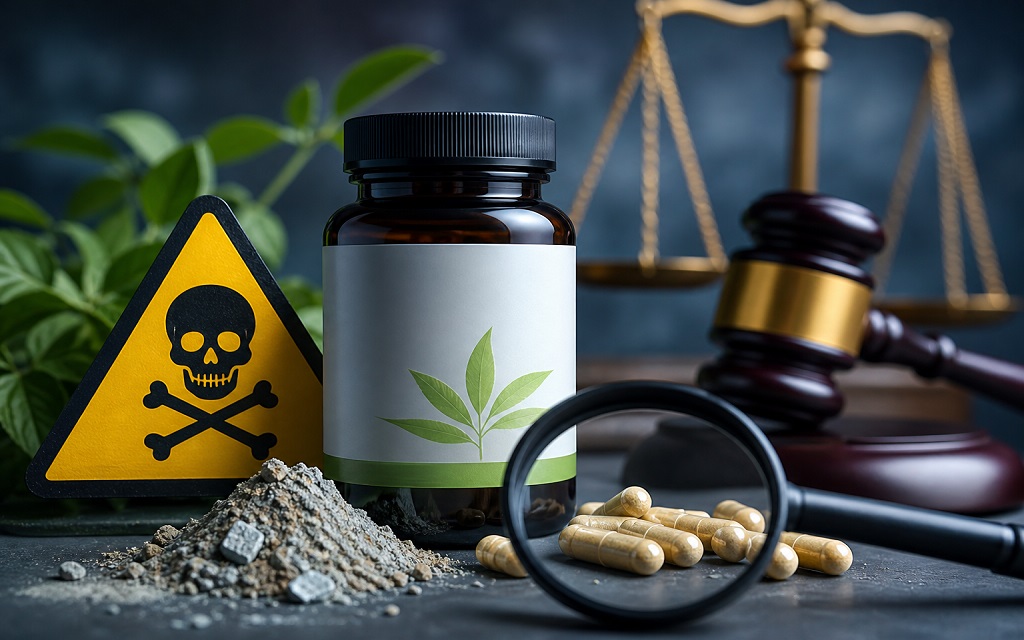
No confirmed class action lawsuit exists against Clean Nutraceuticals as of July 2026. Two real regulatory signals exist instead: a 2024 California Proposition 65 notice alleging possible lead exposure without adequate warning, tied to Allseason Enterprises, LLC (the entity behind the Clean Nutraceuticals brand), and a 2025 NSF International public notice regarding unauthorized certification use.
Separately, several websites describe a “Clean Nutraceuticals lawsuit” resulting in a $3.1 million judgment. This claim misattributes a real but entirely unrelated case, Nutradose Labs, LLC v. Bio Dose Pharma, LLC (Case No. 1:22-cv-20780-BB, S.D. Fla.), which concerns a trademark dispute over the “GLUTADOSE” mark between two pharmaceutical packaging companies with no connection to Clean Nutraceuticals.
No. There’s no confirmed class action lawsuit against Clean Nutraceuticals as of this update. Two real, verifiable early-stage regulatory signals exist, and neither is a lawsuit. Separately, a widely circulated “$3.1 million lawsuit” claim traces back to a completely different court case involving different companies, mislabeled and repackaged for search traffic.
Here’s the difference between what’s confirmed and what’s misinformation.
What’s Actually Confirmed
A 2024 California Proposition 65 notice: This notice alleges that a Clean Nutraceuticals product may expose users to lead without the warning California law requires. It names Allseason Enterprises, LLC, the entity operating the Clean Nutraceuticals brand. A Prop 65 notice isn’t a lawsuit; it’s a formal warning under California’s Safe Drinking Water and Toxic Enforcement Act of 1986, and it can lead to litigation if unresolved, but plenty of these notices get addressed through reformulation or settlement without ever becoming a court case.
A 2025 NSF International public notice: NSF flagged unauthorized use of its certification mark connected to the brand. This is a credentialing dispute, not a safety ruling. It means a product referenced NSF certification it wasn’t authorized to claim, which raises a legitimate transparency concern independent of any lawsuit.
Neither of these confirms wrongdoing. Both represent real, documented regulatory attention worth taking seriously if you’re a current customer.
What’s Misinformation: The Misattributed “$3.1 Million Lawsuit”
Several websites describe a “Clean Nutraceuticals lawsuit” that resulted in a $3.1 million judgment over trademark infringement and deceptive marketing. This claim traces back to a real federal case, just not one involving Clean Nutraceuticals.
The actual case is Nutradose Labs, LLC v. Bio Dose Pharma, LLC and Raimundo Santamarta, Case No. 1:22-cv-20780-BB, filed March 15, 2022, in the U.S. District Court for the Southern District of Florida, before Judge Beth Bloom. It concerns the “GLUTADOSE” trademark, a glutathione supplement brand. Nutradose Labs acquired the trademark through a bankruptcy sale after a company called Unipharma, LLC went under; Bio Dose Pharma, an earlier distributor, kept marketing under the mark after its rights ended. Following a seven-day bench trial, the court awarded Nutradose Labs approximately $3.1 million, covering lost profits and damages tied to the defendants’ continued use of the trademark.
Every detail in that case, the parties, the product, the trademark, the court, and the dollar figure checks out against primary legal reporting and court filings. None of it involves Clean Nutraceuticals, Allseason Enterprises, or any product sold under the Clean Nutraceuticals brand. The connection appears to be nothing more than the shared word “nutraceutical,” repackaged by content aggregators into an article that implies Clean Nutraceuticals lost a major lawsuit. It didn’t because it was never a party to this case.
If you see this $3.1 million figure attached to Clean Nutraceuticals anywhere, treat it as inaccurate. It describes a real ruling against different companies entirely.
Some of the same sources circulating this claim also include quotes attributed to named experts and consumers, a toxicologist, and a supplement buyer describing frustration with the brand. This article couldn’t verify that these individuals exist or made these statements. Treat named quotes in secondary coverage of this topic with real caution.
Understanding the Difference: Notice, Lawsuit, and Judgment
These three things get blurred constantly in coverage of supplement companies, and the distinction matters for anyone trying to assess actual risk.
A regulatory notice (like the Prop 65 filing here) is a formal warning, often issued by a private party under a citizen-enforcement provision of state law. It signals a potential compliance issue and can lead to a lawsuit, but it isn’t one.
A lawsuit is a filed court case with a case number, a docket, and defendants who must respond. No lawsuit currently exists against Clean Nutraceuticals in public court records.
A judgment is a court’s final decision after a case is litigated, like the Nutradose Labs ruling above. Judgments only apply to the actual named parties in that specific case; they don’t transfer to other companies just because they operate in a similar industry.
What This Means If You Use Clean Nutraceuticals Products
The Prop 65 lead notice is worth taking seriously even without a lawsuit attached. Lead exposure risk compounds over time, and California’s warning threshold sits well below levels associated with acute harm. The law is designed to flag long-term, low-level exposure concerns, not just acute danger. If you’re pregnant, have young children in the household, or use the flagged product regularly, consider pausing use until the company clarifies testing results, and check the product page or company statements for updates.
The NSF certification issue is a separate transparency concern. If a product’s marketing claimed a certification it didn’t actually hold, that’s worth knowing regardless of any safety question; it tells you something about how carefully the company verifies its own marketing claims before publishing them.
If you’re trying to verify a specific supplement’s safety independently, check third-party testing results through NSF International, USP, or ConsumerLab directly rather than relying on brand marketing claims alone.
FAQs
Is there an active Clean Nutraceuticals lawsuit in 2026?
No. No confirmed class action or lawsuit exists in public court records as of this update. Two real regulatory signals exist instead: a 2024 Prop 65 lead notice and a 2025 NSF certification notice.
What is the $3.1 million Clean Nutraceuticals lawsuit I’ve seen referenced?
That figure comes from a real but unrelated case, Nutradose Labs, LLC v. Bio Dose Pharma, LLC, involving a completely different trademark dispute between two pharmaceutical packaging companies. It has no connection to Clean Nutraceuticals.
What does the Prop 65 notice actually allege?
It alleges a Clean Nutraceuticals product, tied to Allseason Enterprises, LLC, may expose users to lead without providing the warning California law requires for that exposure level.
Does a Prop 65 notice mean the product is dangerous?
Not necessarily. It means the product may not meet California’s specific warning threshold, which is set far more conservatively than federal safety limits. It signals a compliance issue, not proven acute harm.
What did NSF International flag?
A public notice regarding unauthorized use of NSF’s certification mark connected to the brand, a labeling and transparency issue, separate from the lead notice.
Can I join a Clean Nutraceuticals class action?
Not currently. No class action has been certified or confirmed in public records as of this update.
Sources
- California Office of Environmental Health Hazard Assessment, Proposition 65 notice database
- NSF International, public certification notices
- Law.com/Daily Business Review, Miami Judge Awards $3.1M in Precedent-Setting Nutraceutical Trademark Action, January 12, 2024
- Justia Federal Dockets, Nutradose Labs, LLC v. Bio Dose Pharma, LLC et al., Case No. 1:22-cv-20780-BB, S.D. Fla.
- Law Street Media, Nutradose Sues Bio Dose in Supplements Trademark Case
Disclaimer: All information in this article comes strictly from verified public sources, including regulatory notice databases and federal court records. Claims that could not be independently verified, including named quotes attributed to unverified individuals, are explicitly labeled as such. For corrections, please contact our team through the Contact Page.

Musarat Bano is a content writer for JudicialOcean.com who covers lawsuits, legal news, and general legal topics. Her work focuses on research-based, informational content developed from publicly available sources and is intended to support public awareness. She does not provide legal advice or professional legal services.