
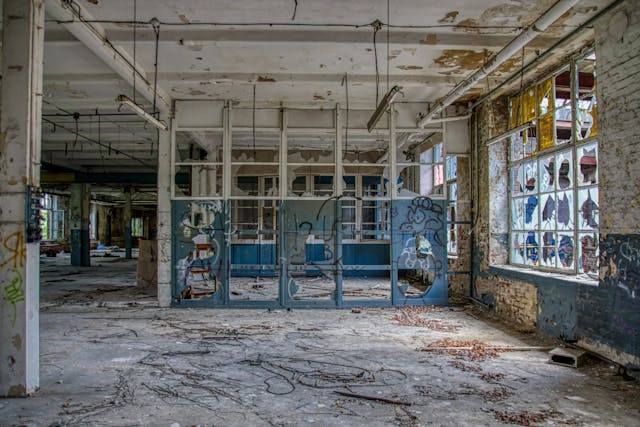
Communities across the United States continue to face the consequences of environmental hazards that were ignored, concealed, or underestimated for decades. Few issues highlight this ongoing struggle more clearly than toxic exposure cases, where the harm often unfolds slowly, quietly, and irreversibly. As more people come forward with illnesses linked to dangerous substances, the legal system becomes a crucial arena for accountability, transparency, and long-overdue justice.
The courts have increasingly recognized that toxic exposure is not just a scientific issue, but also a legal and ethical one. According to the World Health Organization, over 200,000 deaths per year worldwide are linked to occupational asbestos exposure, accounting for more than 70 percent of all work-related cancer deaths.
When corporations fail to disclose risks or when oversight mechanisms fall short, the justice system steps in to bridge the gap between public health and corporate responsibility. This growing awareness has strengthened legal pathways for affected individuals, especially those suffering from long-latency diseases.
The Lingering Legacy of Industrial Hazards
A significant portion of toxic exposure litigation today centers on substances that were widely used across manufacturing, construction, and military industries. For decades, workers handled materials without adequate warnings or safety protections, in environments where hazard information was often either unavailable or deliberately withheld.
Even as regulations have evolved, the effects of earlier industrial practices remain. Many conditions associated with toxic exposure, such as respiratory diseases, certain cancers, or neurological disorders, may not appear until 20, 30, or even 40 years later. Mesothelioma alone sees about 3,000 new cases annually in the United States, according to the American Cancer Society. This delayed onset often makes it difficult for affected individuals to understand what caused their illness, much less trace it back to an employer or product.
As a result, legal frameworks have had to adapt to support plaintiffs whose injuries draw a long, complicated line back to earlier exposure. Courts now regularly work through medical histories, industrial records, and expert testimony to reconstruct occupational timelines that may span generations.
Why Legal Representation Matters in Toxic Exposure Claims
Toxic exposure cases are unusually complex. They involve large corporate defendants, long-term medical analysis, and scientific disputes that can overwhelm individuals trying to advocate for themselves. This is one reason many plaintiffs turn to an asbestos lawyer, not only for representation but for guidance in navigating one of the most intricate areas of personal injury law.
These attorneys often handle cases with multiple defendants, decades-old evidence, and medical conditions that require specialized understanding. Their role involves connecting historical exposure to present-day illness, identifying responsible parties, and ensuring that claims are filed within the proper legal timeframes, which is an often-overlooked challenge given the long latency periods associated with many toxic substances.
More broadly, strong legal representation helps push for reforms that benefit the public. Large settlements, verdicts, and publicized cases frequently lead to changes in corporate safety policies or regulatory practices. Legal accountability becomes a form of deterrence, signaling that negligence carries real costs.
The Expanding Intersection of Medicine, Science, and Law
As toxic exposure cases evolve, so does the science behind them. Medical research continues to identify links between specific substances and long-term health outcomes. Courts increasingly depend on scientific evidence, expert testimony, and epidemiology to evaluate causation. This strengthens the credibility of victims’ claims while also providing clearer frameworks for future litigation.
At the same time, digital archives, industrial documents, and internal corporate communications, something once difficult to obtain, have become essential tools in establishing liability. Technology enables investigators and attorneys to piece together clearer timelines of exposure, product distribution, and corporate knowledge than ever before.
Endnote
While litigation can never undo the damage caused by toxic exposure, it can change the landscape for future generations. Each case contributes to a broader understanding of risk, strengthens regulatory standards, and incentivizes companies to implement stricter safety measures. Accountability is more than a legal remedy; it is a safeguard. By bringing hidden dangers into public view, the justice system ensures that history is not allowed to repeat itself.

Articles published under the Editorial Desk byline may include material from various sources and are reviewed internally to ensure clarity, factual consistency, and compliance with the site’s editorial standards. Content is published for general informational purposes only and follows applicable content and publishing guidelines